 NexScrm官方博客
Sensitive behavior monitoring: Can it detect private contact sharing and off-platform payments? Three catchable actions and four blind spots
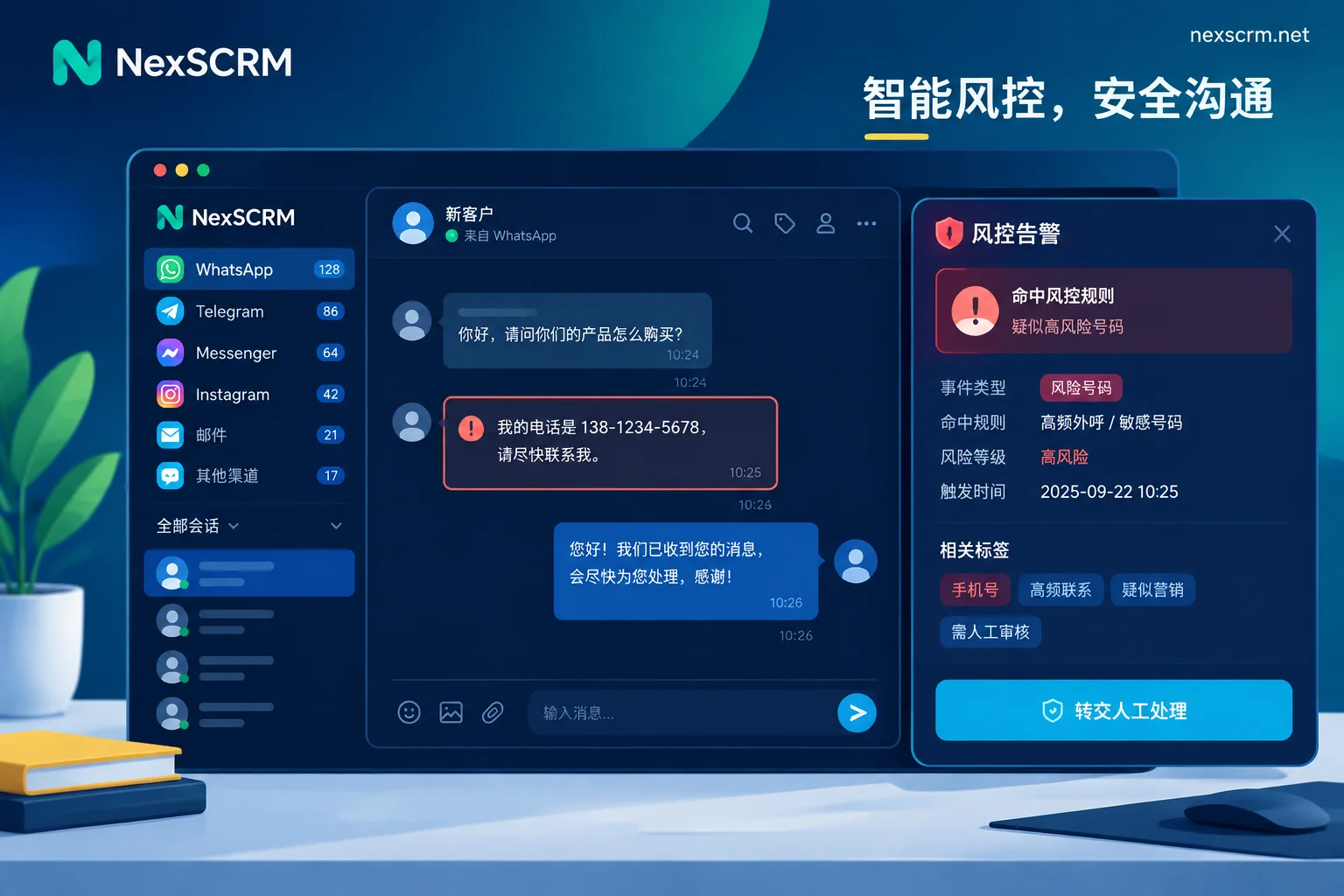
If a conversation goes through a controlled workbench, sharing personal contact info, nudging customers to private chat, or sending unregistered payment accounts will almost always trigger rules and leave a trail; logging in from a private device outside the workbench, taking photos, or talking offline cannot be caught. This article explains how to configure rules, why whitelisting comes first, why recalls and local deletions cannot block review, and how to address each of the four blind spots in order.
What Does "Port" Mean? How Many Ports Does One Customer Service Agent Occupy, Calculated by Concurrently Online Accounts
In multi-account customer service software, a "port" is not a network port or a per-person seat, but the number of social media accounts allowed to stay online simultaneously. This article explains how to determine port usage, three working modes that affect how many ports one agent occupies, steps to estimate total team ports, and configuration details to confirm with the official website before purchasing.
How to Configure a Unique Proxy IP for Each Social Account: Four Parameters, Four Steps, and Three Easily Missed Checks
Multi-account anti-association isn't just about buying a few IPs. This guide covers the actual configuration order: the four parameters you need, why SOCKS5 is preferred for social clients, the difference between static residential and datacenter IPs, the four steps to bind a proxy in an account card, and the three checks (exit location, timezone, DNS leaks) after testing; plus why proxies alone without isolated fingerprint environments still get linked, and how to handle proxy drops, IP changes, and account handovers.
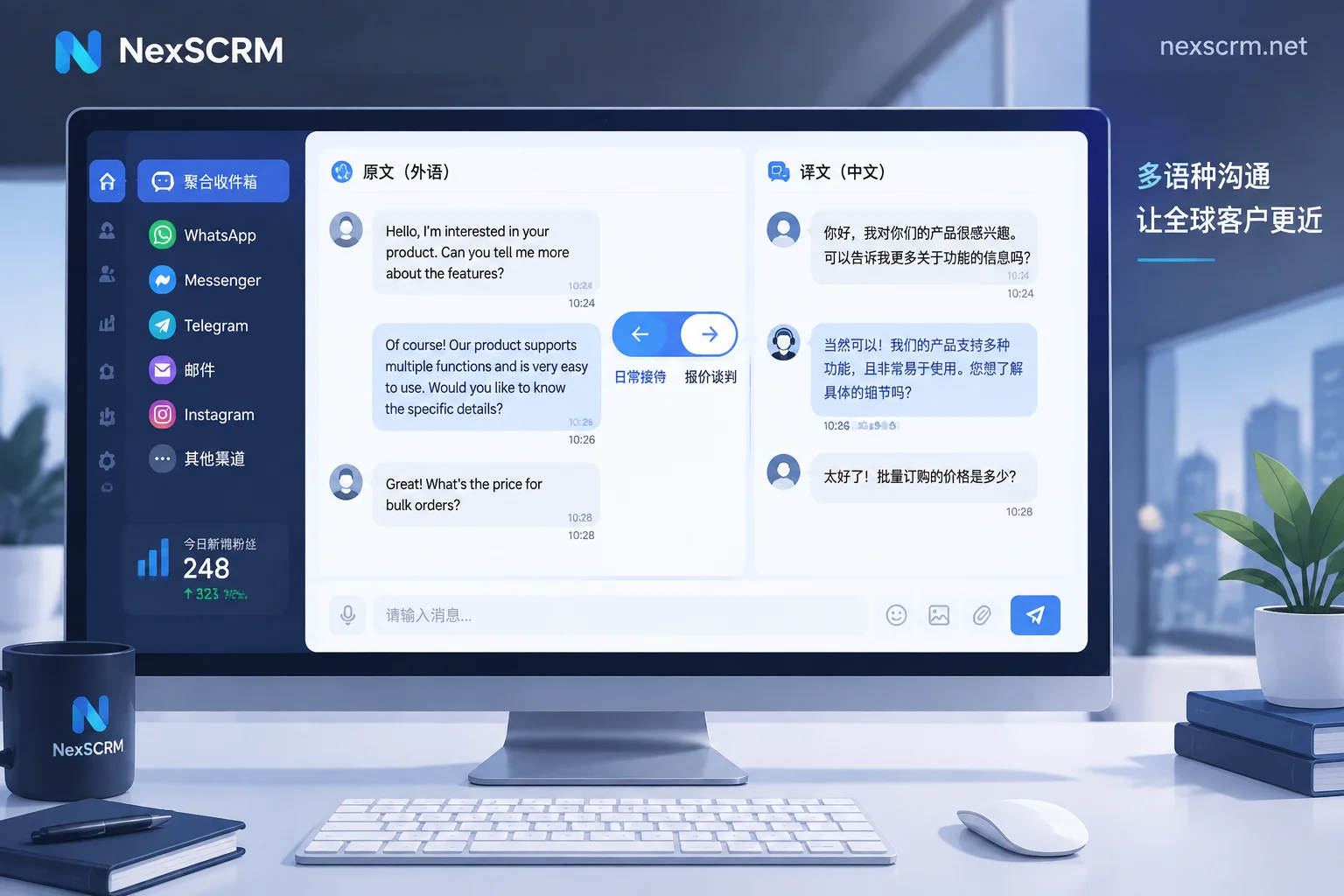
Which Translation Line to Use for Daily Reception vs. Quote Negotiation: The Switch Point Is When the Customer Starts Quoting Numbers
Use the broadest-coverage general machine translation line for daily greetings and icebreaking, and switch to a more rigorous line for business tone and long-sentence logic when entering quotes, specifications, and payment terms. The article gives the signals for switching, fallbacks when no refined line exists for minor languages, which fields should never be left to translation, and how to keep source and target text side by side in the workspace.
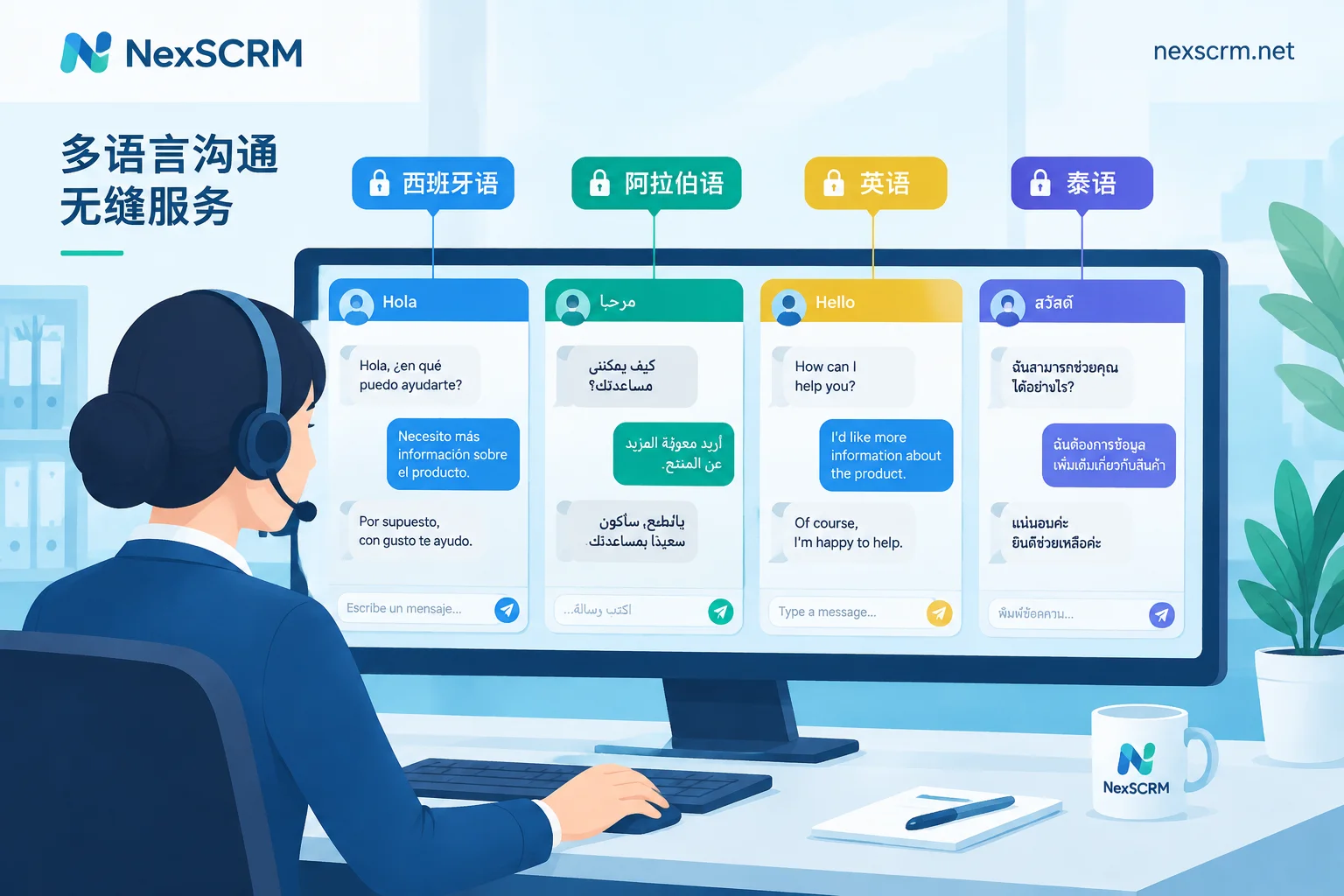
One Account, Many Countries: How to Stop Mixing Languages by Locking Language to the Conversation
When inquiries from many countries land in one account, replying in the wrong language usually isn't a translation quality problem—it's because the target language is stored as one global value. Here are four mechanisms to fix it in order.