 NexScrm官方博客
Real-Time Chat Translation Without the "Machine Translation Feel": A Guide to Multi-Engine Routing and Full-Modal Handling for Cross-Border Teams
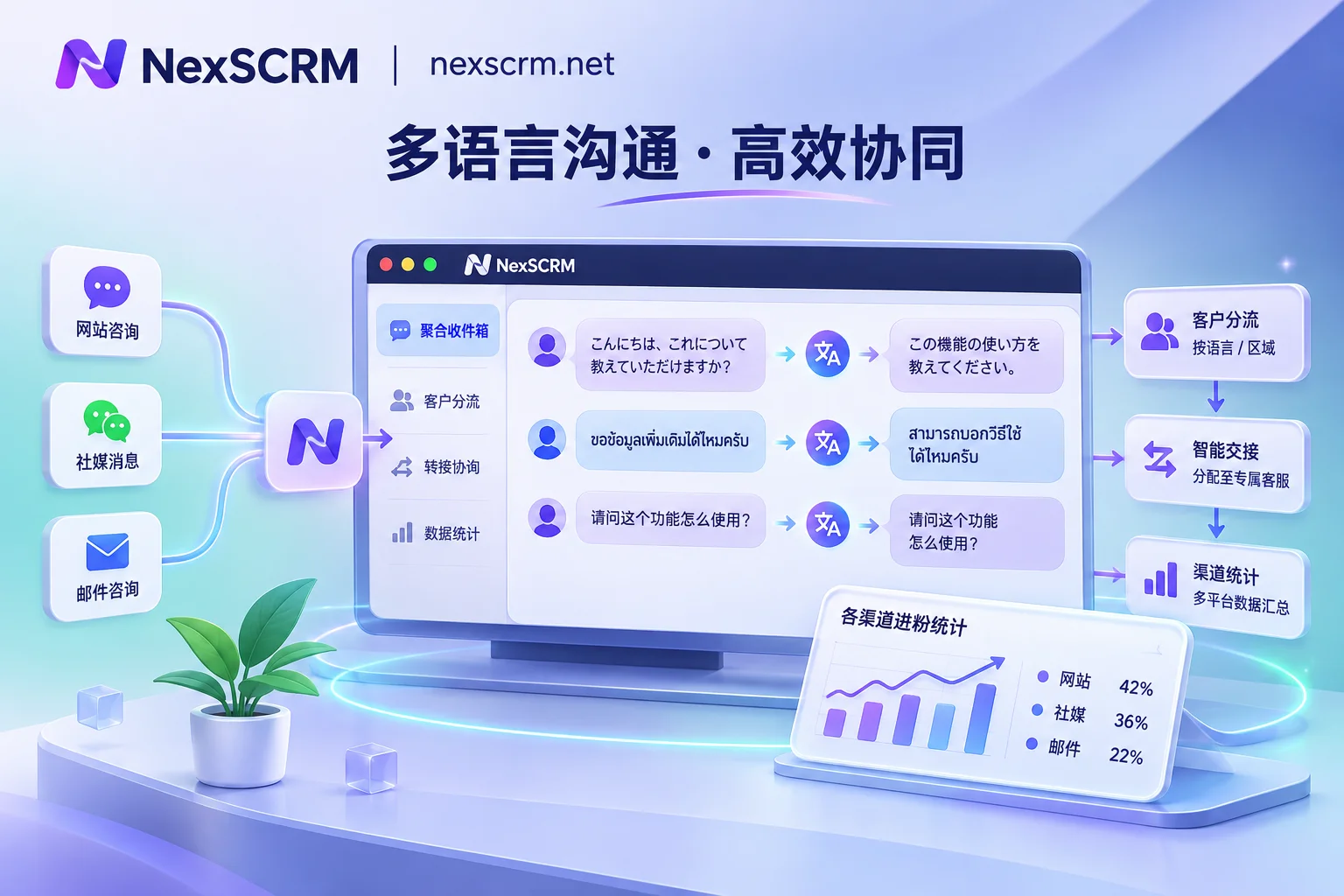
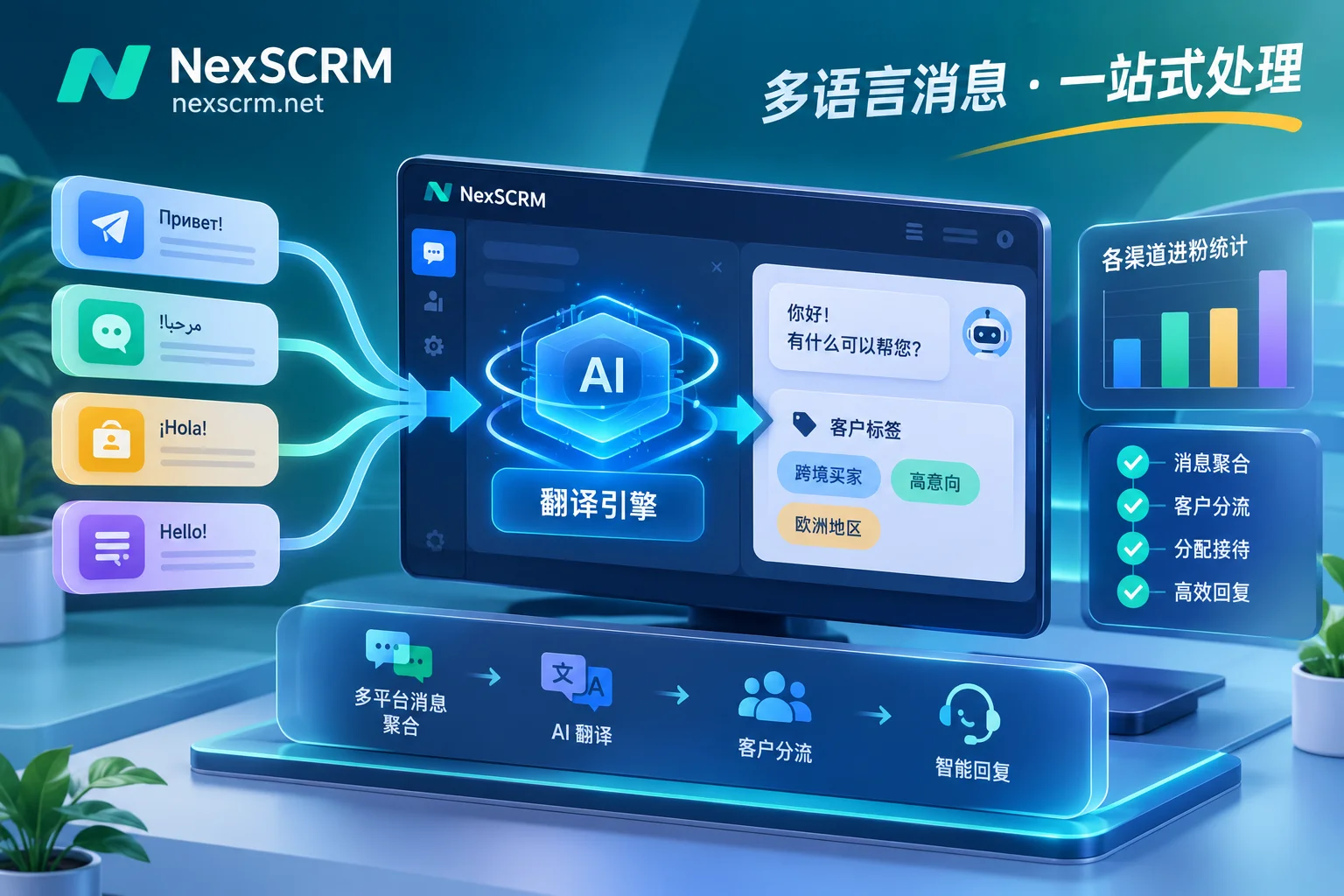
A single machine translation engine can't handle European and American business negotiations, Latin American colloquial abbreviations, and Southeast Asian customers' voice and image inquiries at the same time. This article breaks down how cross-border teams can use multi-route translation engine routing, per-contact language locking, and full-modal real-time chat translation to eliminate the stiff, machine-like feel and contextual drift in cross-language communication, boosting foreign trade and cross-border private domain conversion rates.
How to Choose WhatsApp Translation Software? Official Long-Press Translation Doesn't Support Desktop; How Cross-Border Trade Teams Avoid Web Plugin Fa
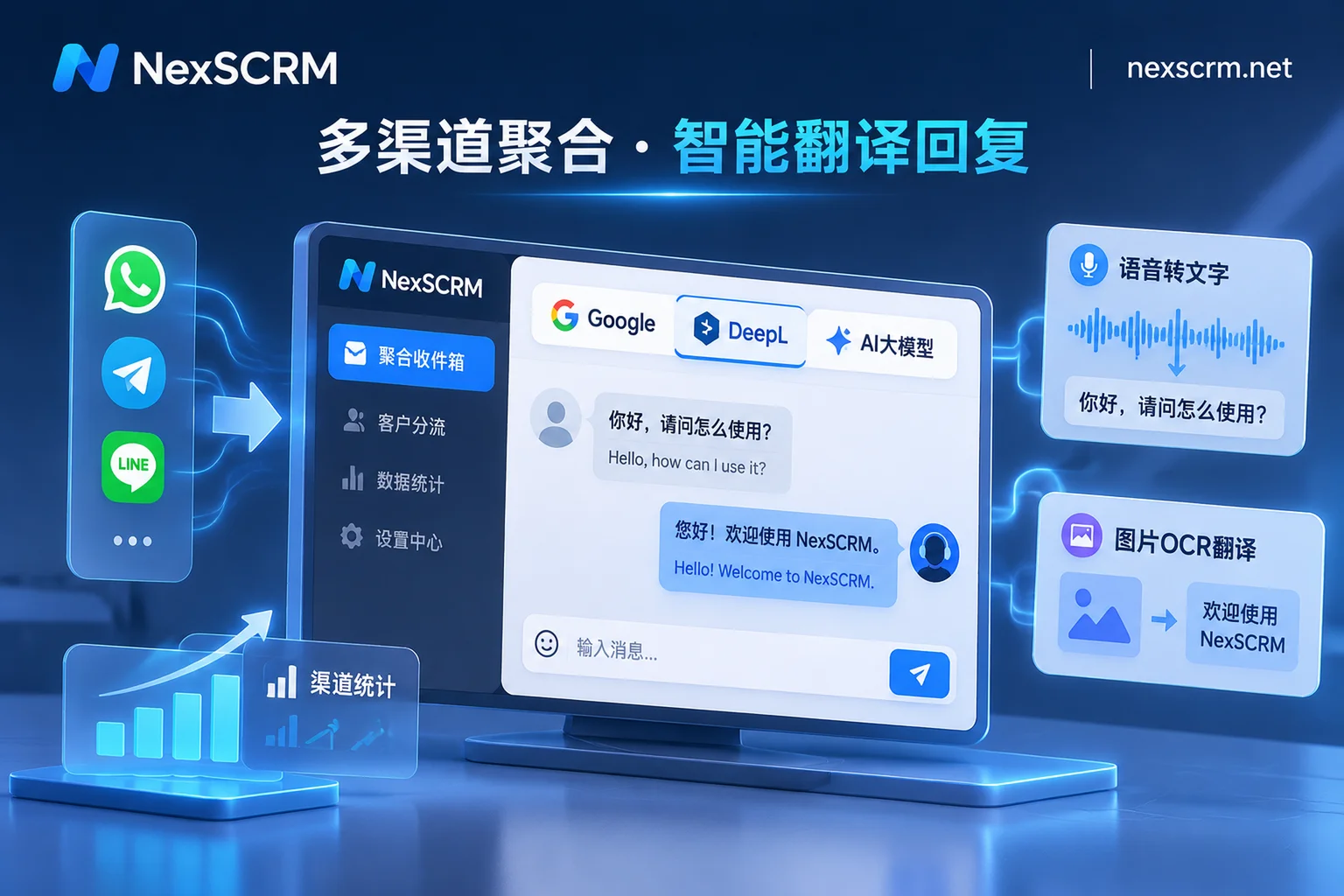
WhatsApp official message translation currently only supports mobile standard app; desktop web and WhatsApp Business are still unsupported. This article deeply compares the practical differences between official native translation, browser web plugins, and desktop-level SCRM clients, and analyzes how foreign trade and cross-border customer service teams can build a high-conversion, anti-fraud cross-language communication workstation through built-in multi-channel real-time translation, direct voice and image translation, and secure multi-account aggregation.
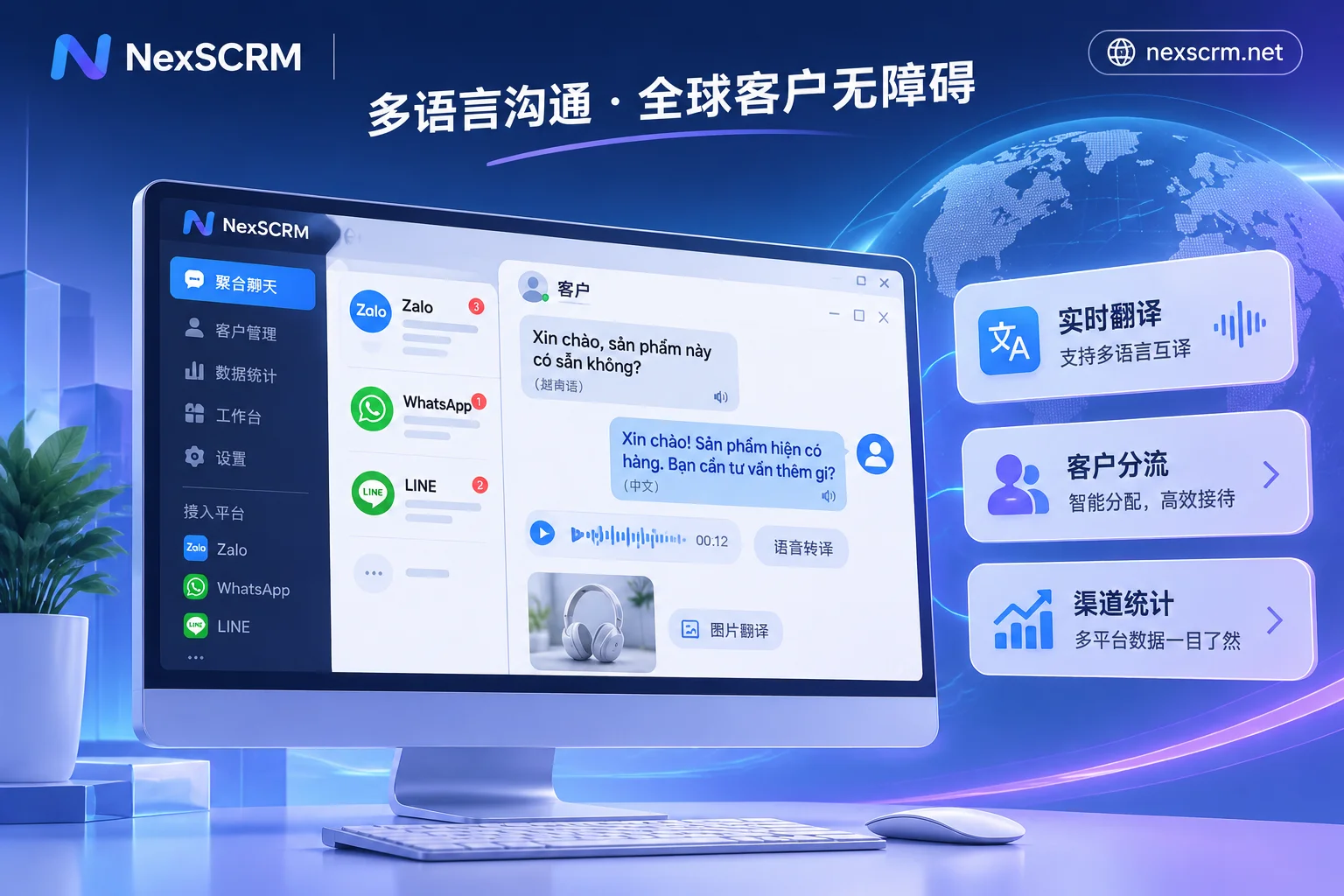
How to Choose a Desktop Zalo Translation Software: Beyond Browser Plugin Failures, Handling Image/Voice Translation and Private Domain Collaboration
While Zalo mobile supports built-in translation, Zalo Web lacks native translation and third-party browser plugins often fail. This article analyzes the pain points of Vietnamese trade and cross-border e-commerce teams handling Zalo messages on desktop, and provides a stable two-way translation and efficient follow-up solution based on desktop SCRM.
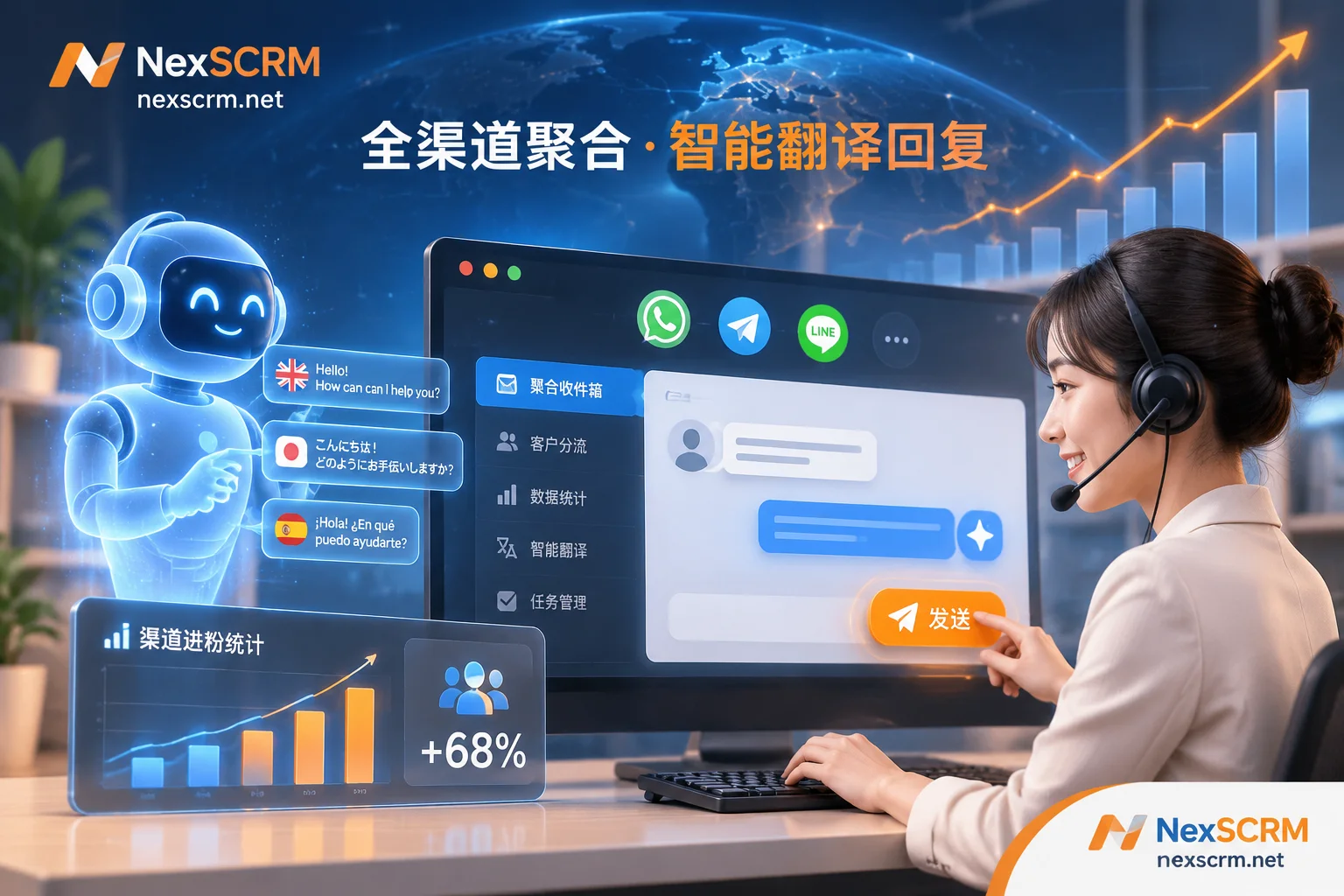
How Cross-Border Teams Can Make the Most of AI Customer Service Assistants: Avoid the 'Full-Automation Hallucination' Trap and Build a High-Conversion
In 2026, cross-border expansion has entered a stock market game. Many teams blindly pursue 100% unattended AI customer service robots, only to fall into risk control pitfalls such as irrelevant answers, lost orders, and even account bans. This article breaks down the real pain points of cross-border private domain customer acquisition and shares how to deeply integrate AI customer service assistants with multilingual real-time translation, multi-account aggregation, and employee internal control through NexSCRM. By adopting a human-machine collaboration model of 'AI greeting fallback + manual confirmation before sending + script accumulation,' teams can stabilize inquiry conversion rates and customer assets.
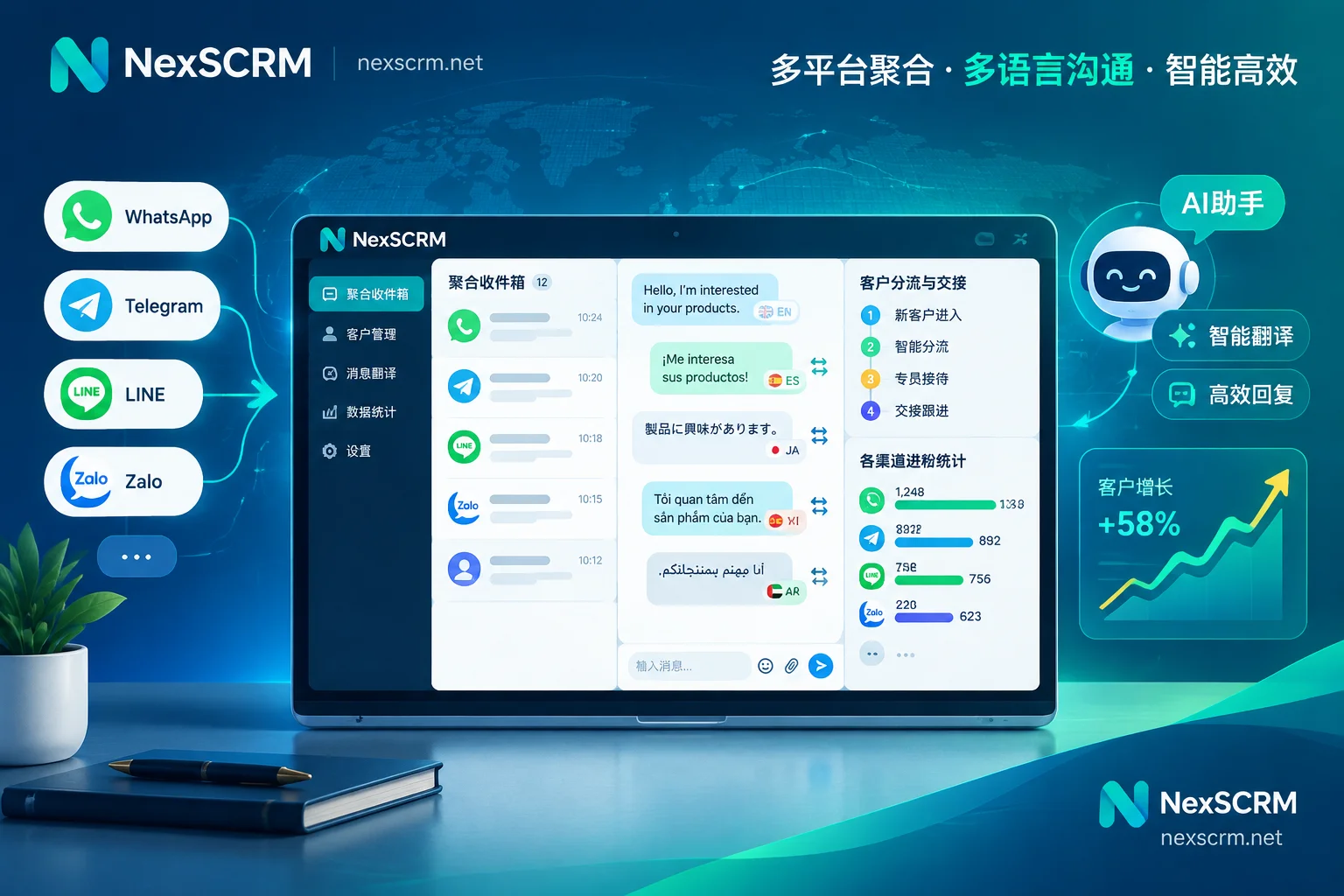
In-House Multilingual Hiring, Outsourced Support, or a Multilingual Customer Service System? Cross-Border Teams Must Calculate These Three Accounts Be
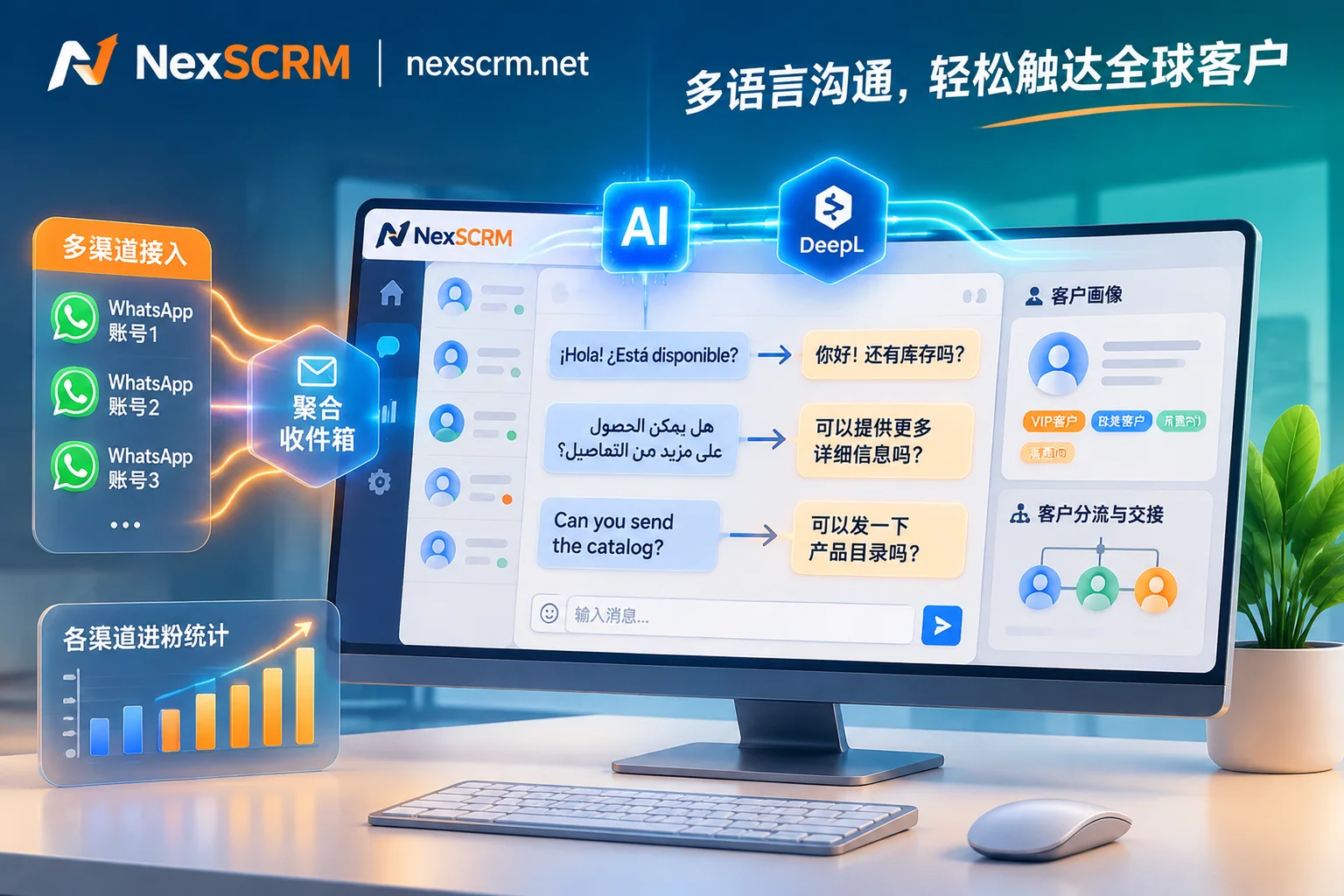
When expanding into non-English markets like Latin America, Southeast Asia, Japan, and Korea, cross-border teams often hesitate between hiring in-house multilingual agents, outsourcing overseas customer service, or deploying a multilingual customer service system. This article breaks down the real costs of the three options from four dimensions: labor cost, multi-platform private chat handling, human-machine collaboration boundaries, and data asset retention, and explores how Chinese teams can directly serve global buyers with a cross-language social SCRM desktop workstation.