 NexScrm官方博客
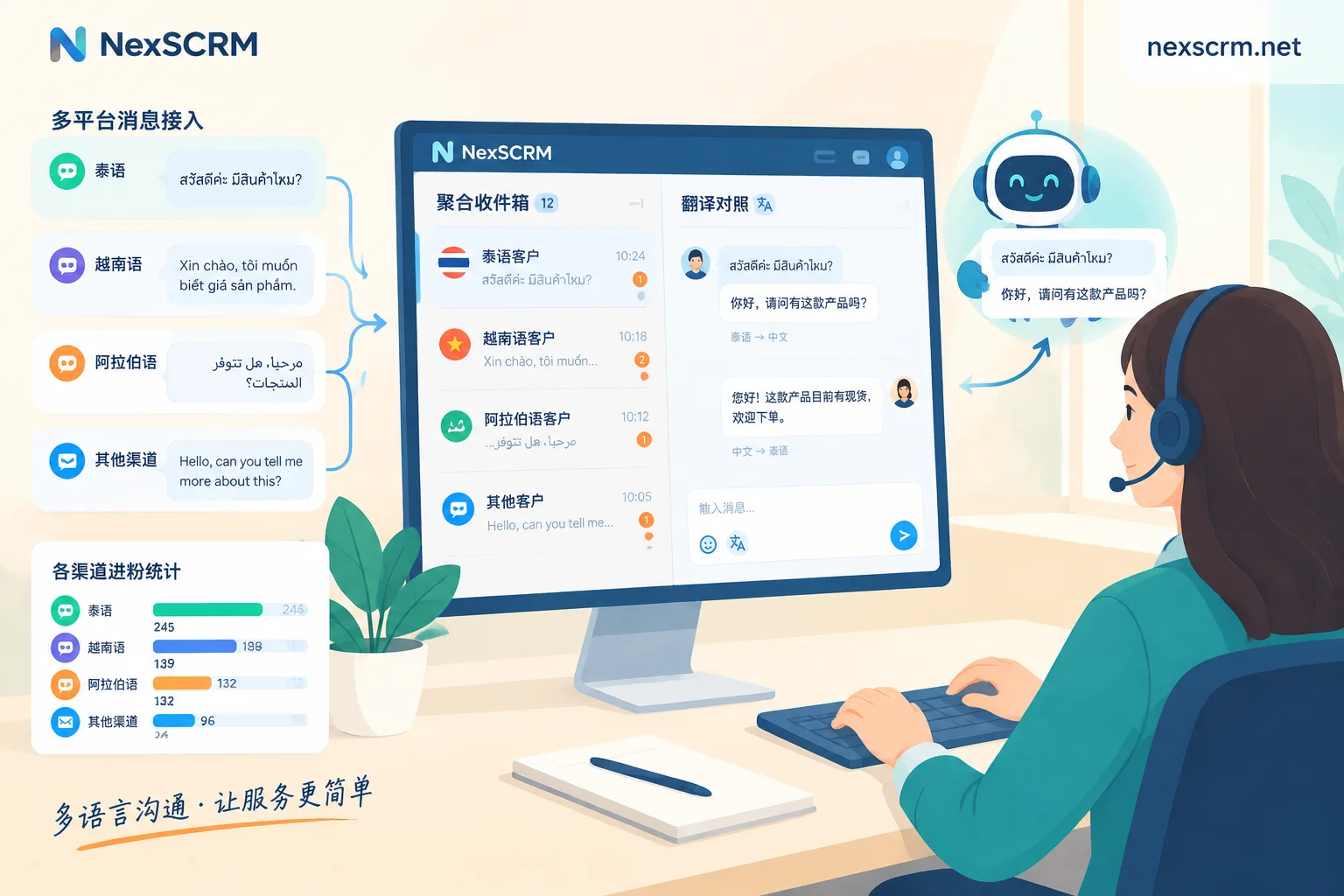
How to Implement Multilingual Automated Customer Service Without Harming Customer Experience: Define Boundaries, Use Vetted Scripts, and Keep a Human
Effective multilingual automated customer service isn't about letting bots handle as many inquiries as possible, but about having them only answer what they can answer accurately. This article outlines six steps in launch order: first define the automation scope, use vetted templates for automated foreign-language messages, state clearly in the first message that it's an automated reply, set handoff conditions to human agents, ensure human agents receive full context and cross-check against the original text, and after launch continuously fill gaps based on handoff reasons.
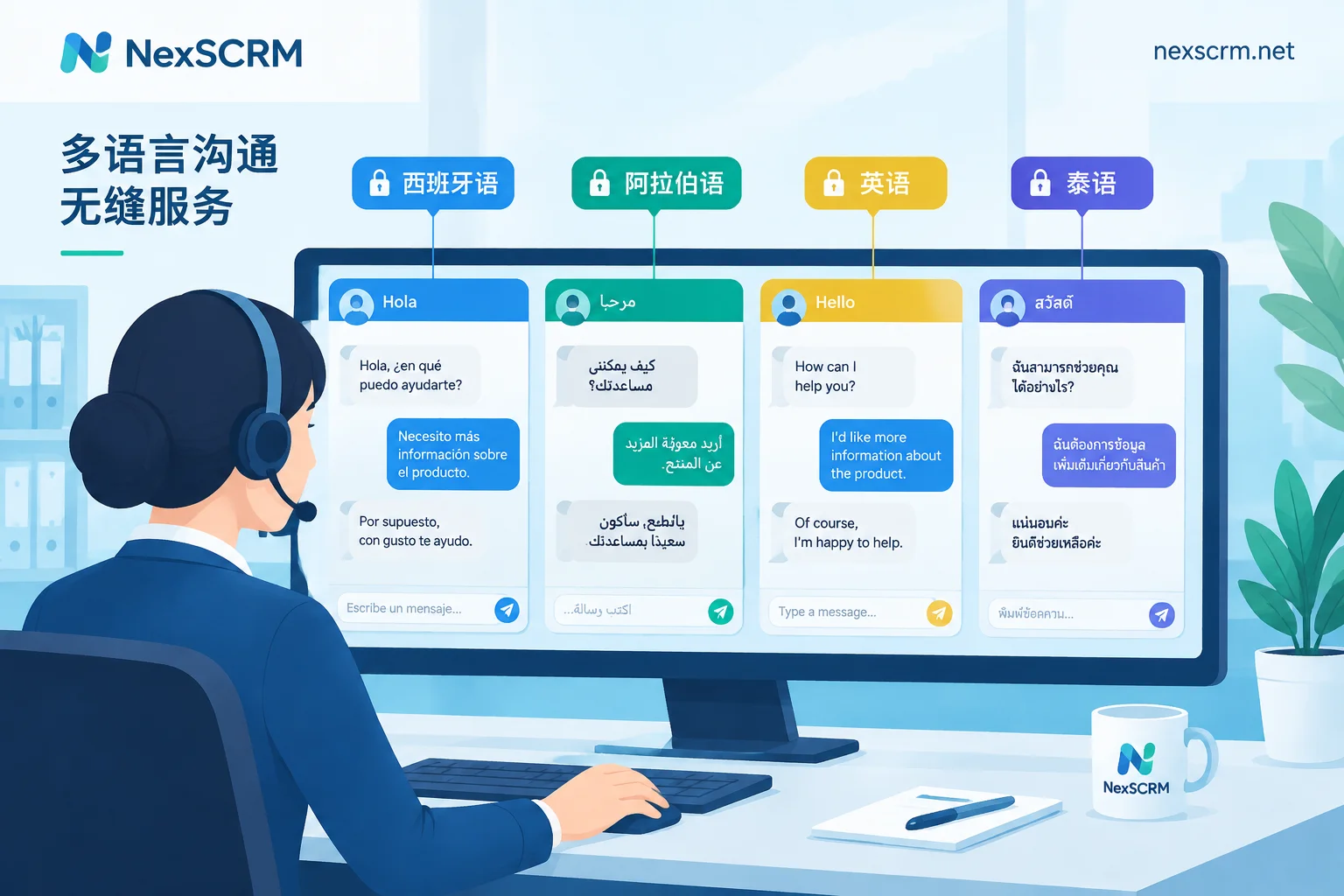
One Account, Many Countries: How to Stop Mixing Languages by Locking Language to the Conversation
When inquiries from many countries land in one account, replying in the wrong language usually isn't a translation quality problem—it's because the target language is stored as one global value. Here are four mechanisms to fix it in order.
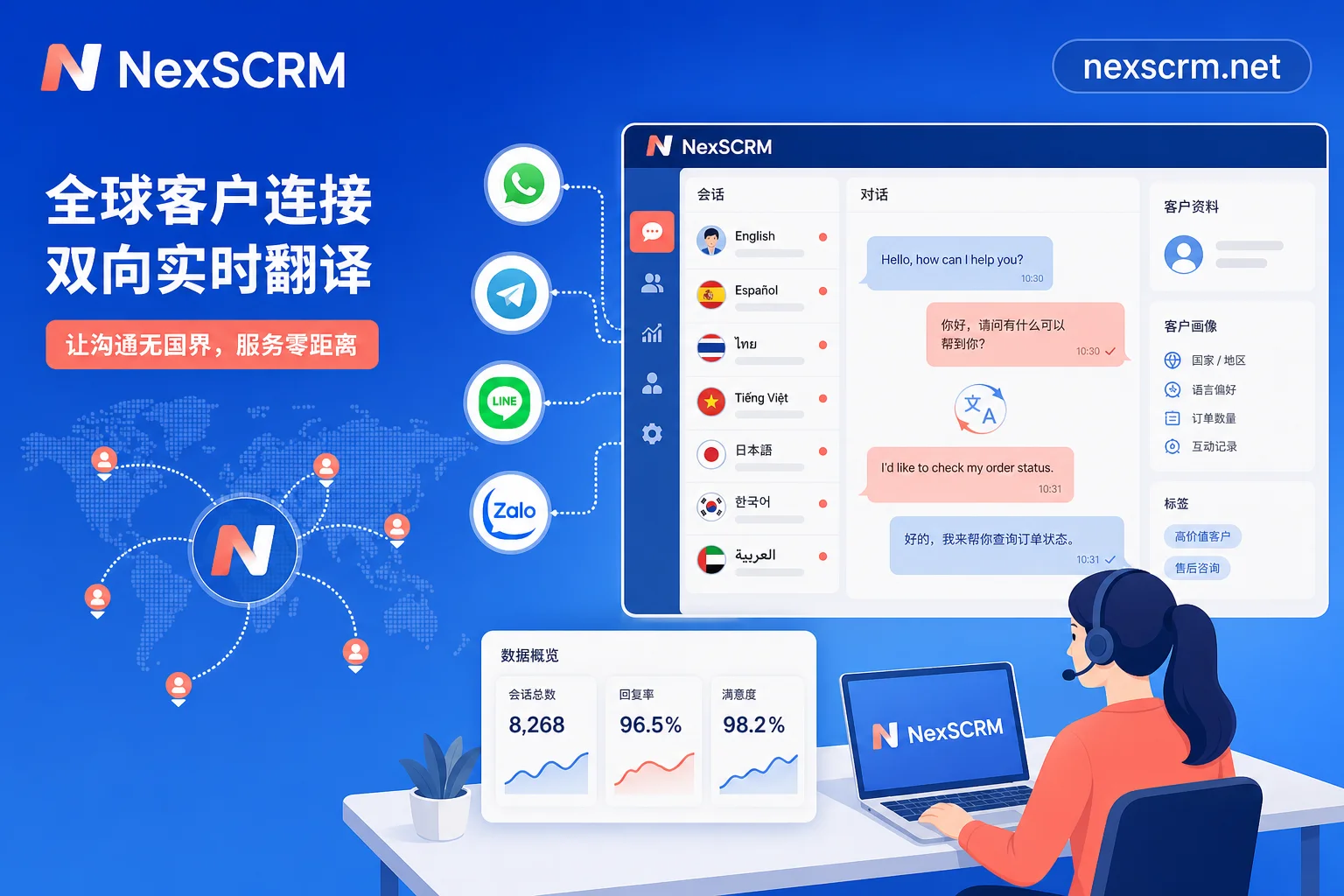
2026 Cross-Border Expansion Must-Read: How to Select and Implement an Efficient Multilingual Customer Service System?
Learn the key capabilities, latest trends, implementation steps, and NexSCRM solution for choosing and deploying a high-performing multilingual customer service system for cross-border businesses.