 NexScrm官方博客
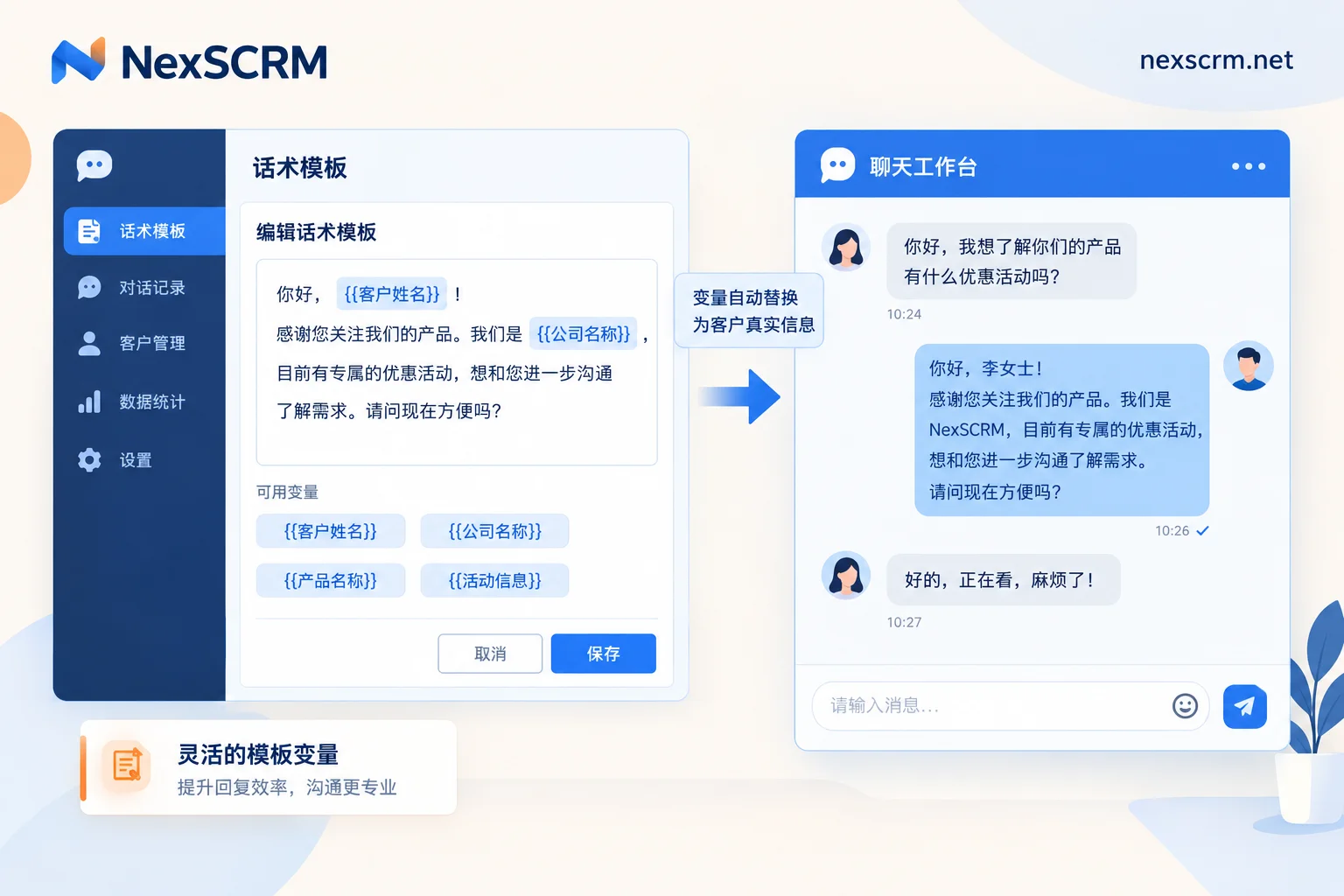
How to Use Variables in Quick Reply Templates to Automatically Fill Customer Names: Miss One of Three Prerequisites and You'll Send "Hi ,"
Whether a variable can automatically fill in the customer name depends on whether the tool parses placeholders, whether the current conversation is linked to a contact field, and whether there is a fallback for empty values. This article explains these three steps in configuration order, covers cross-platform naming differences, how to handle pure numbers and emoji nicknames, and where variables should go in multilingual templates.
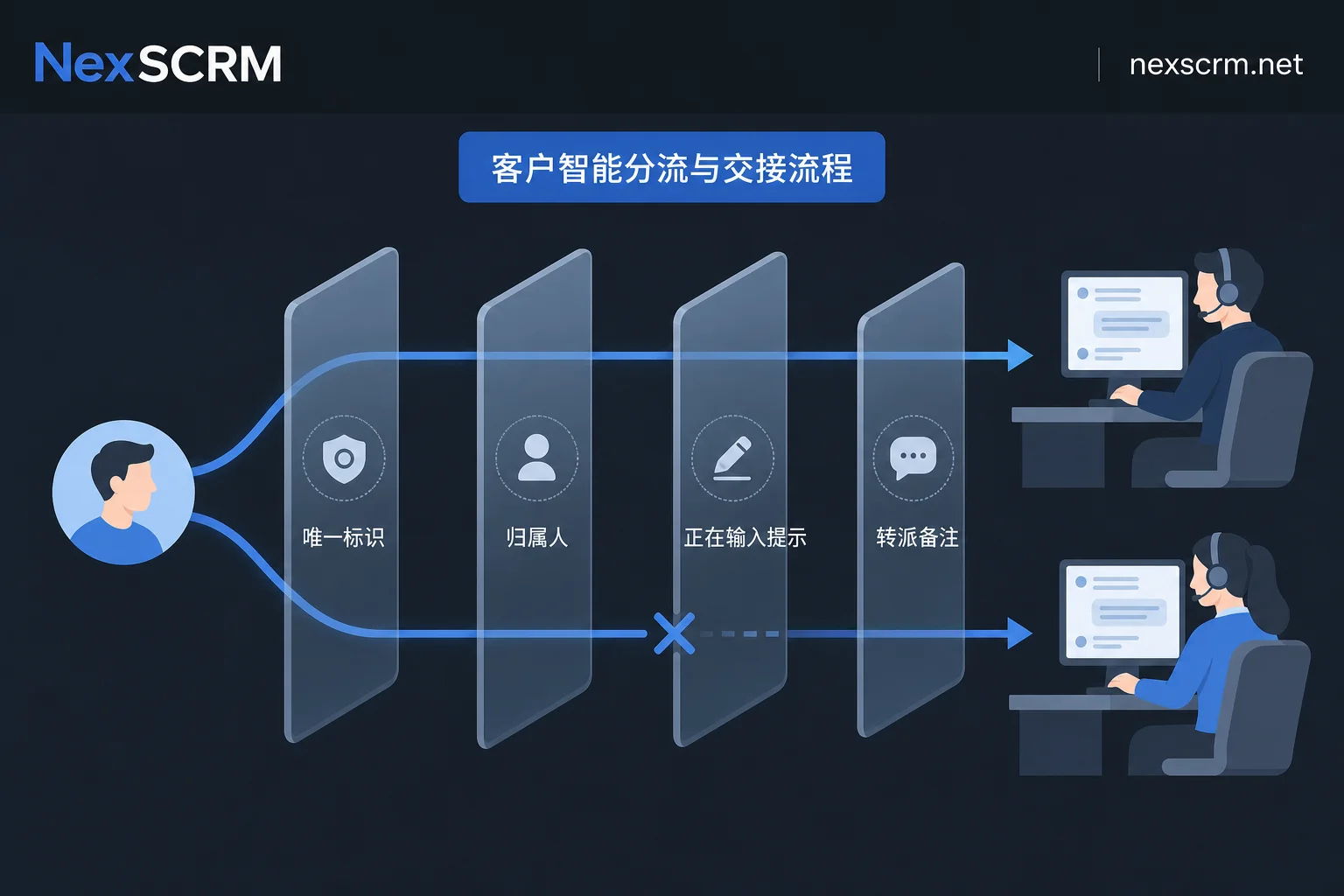
How Ticket Deduplication Prevents Two Agents from Following the Same Customer: Four Gates in Order
Preventing customer collisions isn't just about asking before replying—it requires four gates in sequence: dedupe contacts and tickets with a stable unique identifier, assign a single owner with reclamation rules, block concurrent replies with viewing/typing conflict detection, and use internal notes and formal transfers instead of parallel follow-ups.
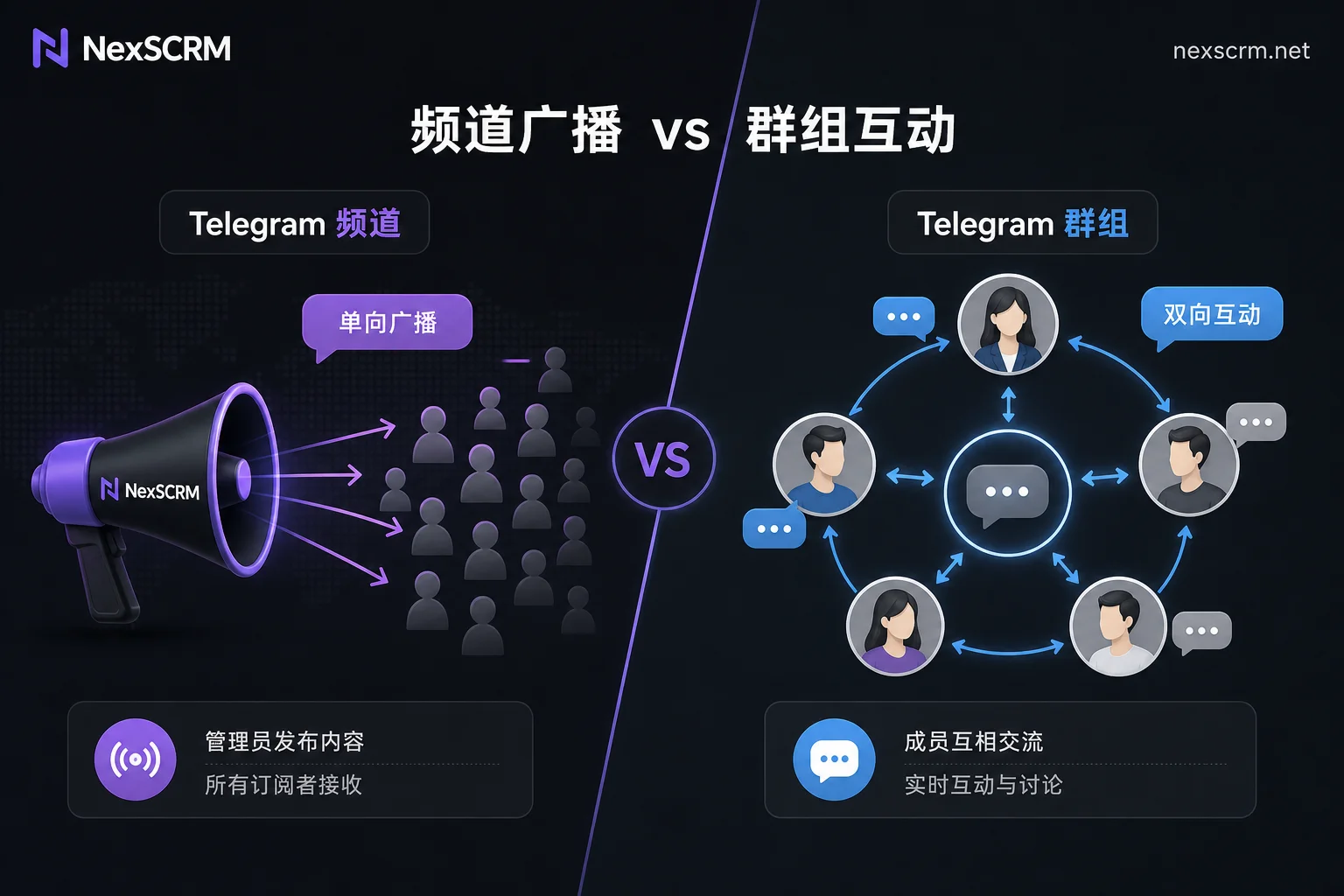
Telegram for Private Domain: Channel or Group? Broadcasting and Follow-Up Division of Labor
Analyzes the differences between Telegram channels for one-way broadcasting and groups for two-way interaction, and guides foreign trade teams on how to combine both with Bot API 10.3 features for efficient private domain operations.
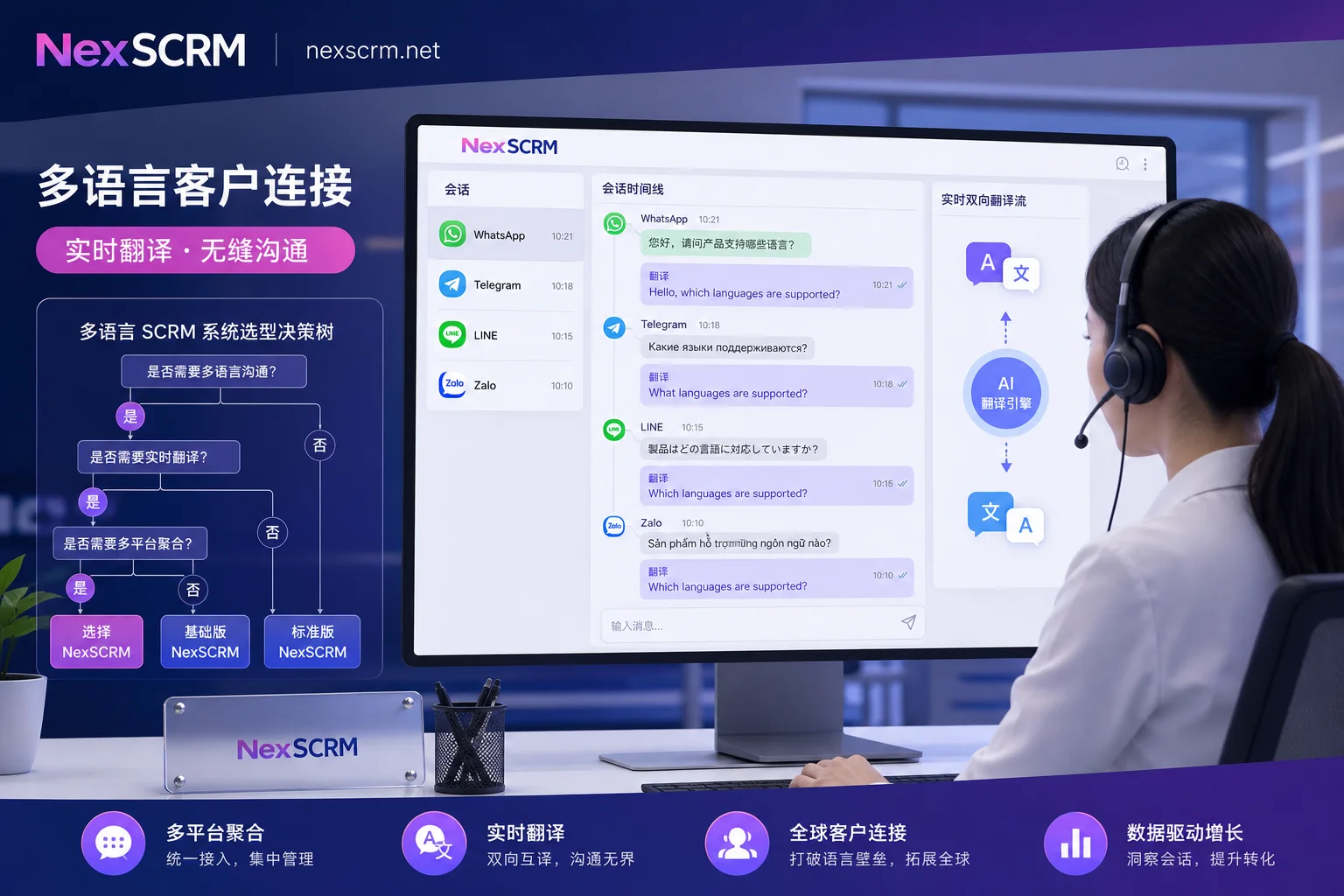
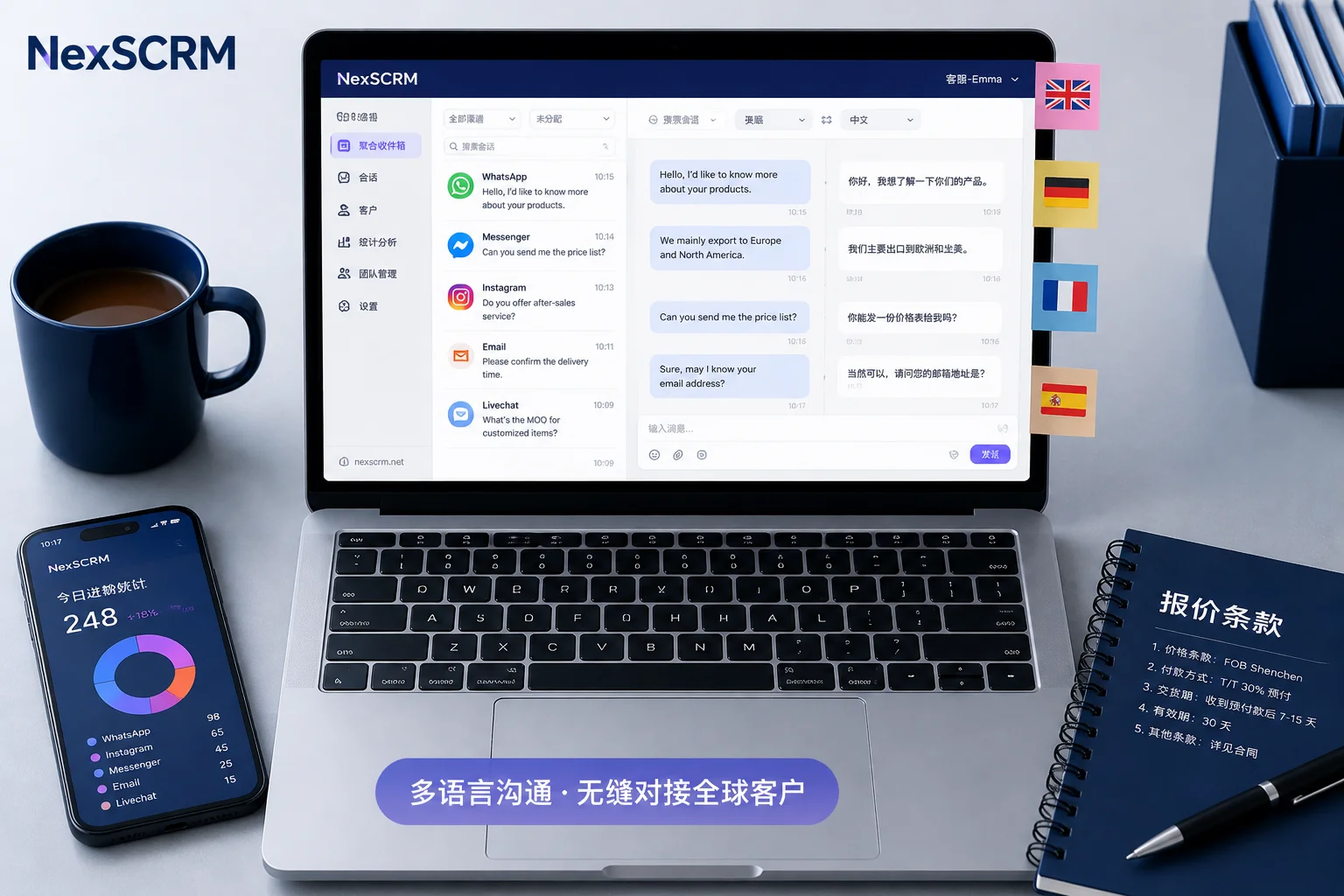
How to Choose a Multilingual SCRM System: First Check Where Translations Are Stored
A decision tree for choosing a multilingual SCRM system: where translation occurs, whether translations are archived with conversations, multi-account agent assignment, and platform rule updates. Analyzes read-only rendering, copy-paste, and two-way translation differences, the necessity of archiving original and translated texts, and impacts of LINE and WhatsApp new regulations.
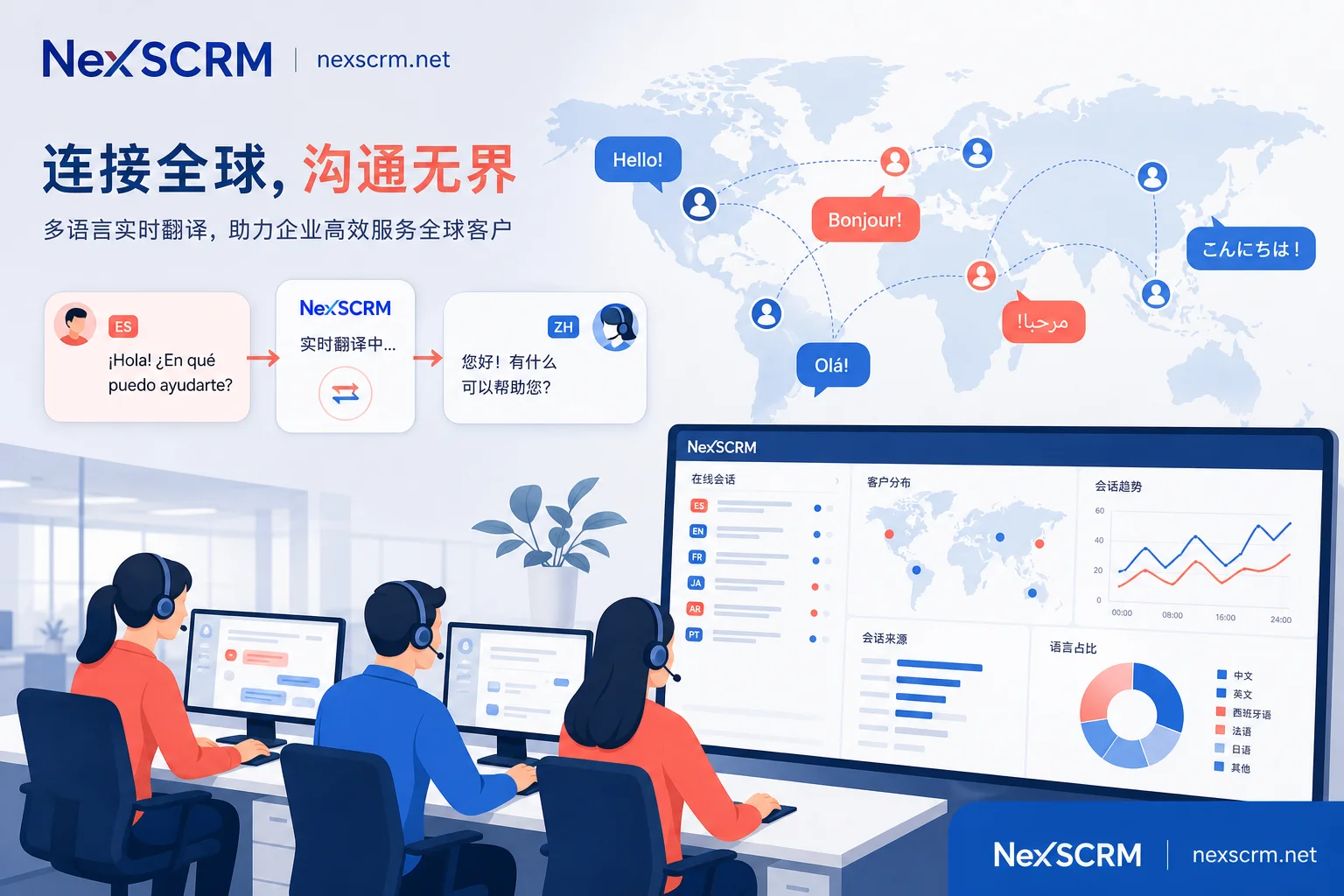
Multi-Account Permission Divide and Customer Service Collaboration for Overseas Social Media Teams: A Four-Layer Role Comparison Table
A practical permission framework for overseas social media and customer service teams of 5+, using four layers—account ownership, conversation visibility, action permissions, and data export—with role comparison tables and platform-native capability boundaries to balance security and efficiency.