 NexScrm官方博客
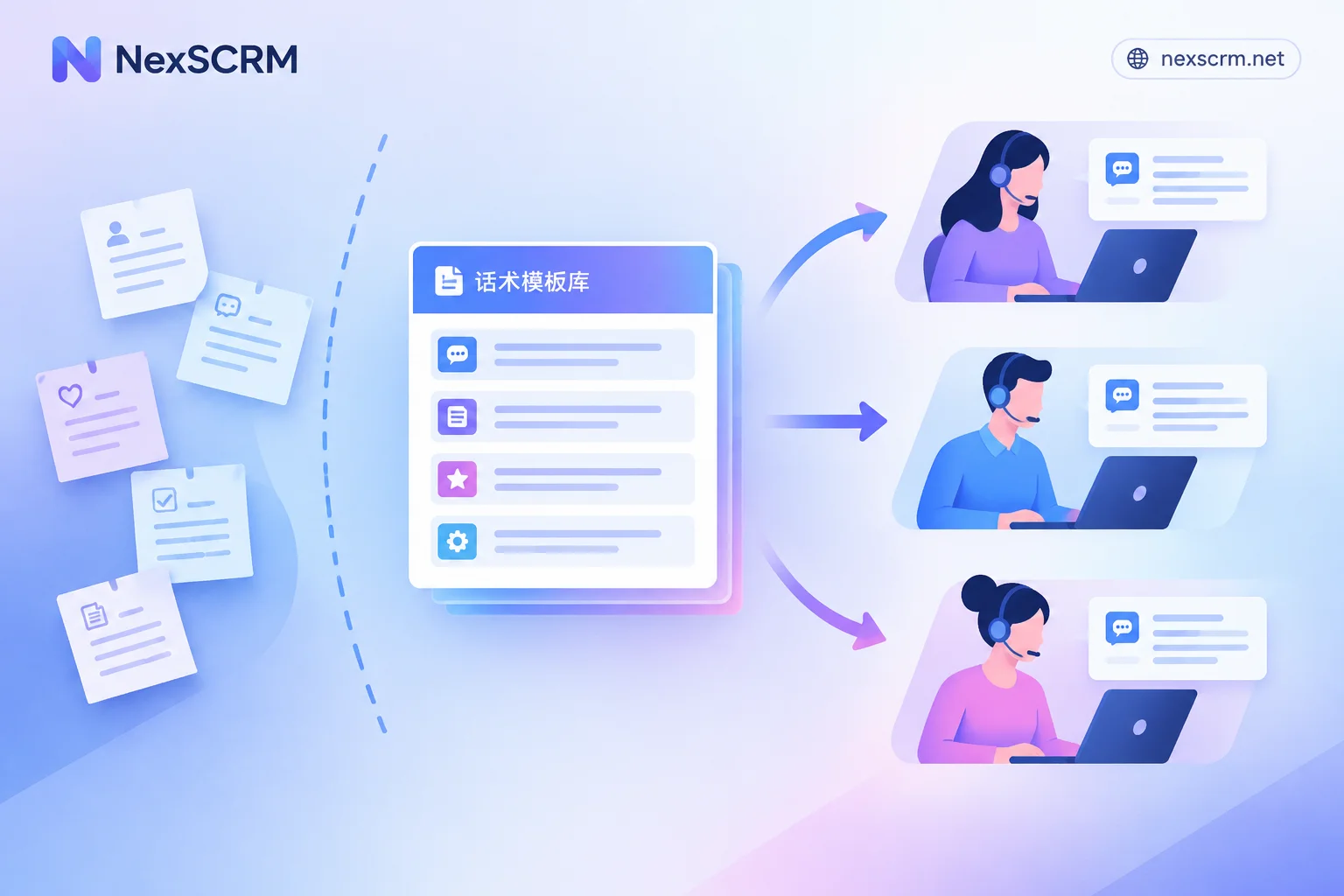
How to Align Your Entire Team's Answers with Shared Script Templates: Start by Knowing What Must Never Be Changed
Three support agents gave three different minimum order quantities—not because of memory, but because their scripts were scattered across personal notes. This article provides a step-by-step, actionable approach: classify scripts into rule-based and skeleton types, build five master templates around the customer journey, use two-level naming for searchability, centralize creation and editing rights with supervisors, and audit real chat logs to verify that what was sent matches the library—plus why translated versions must be finalized alongside the Chinese master in multilingual scenarios.
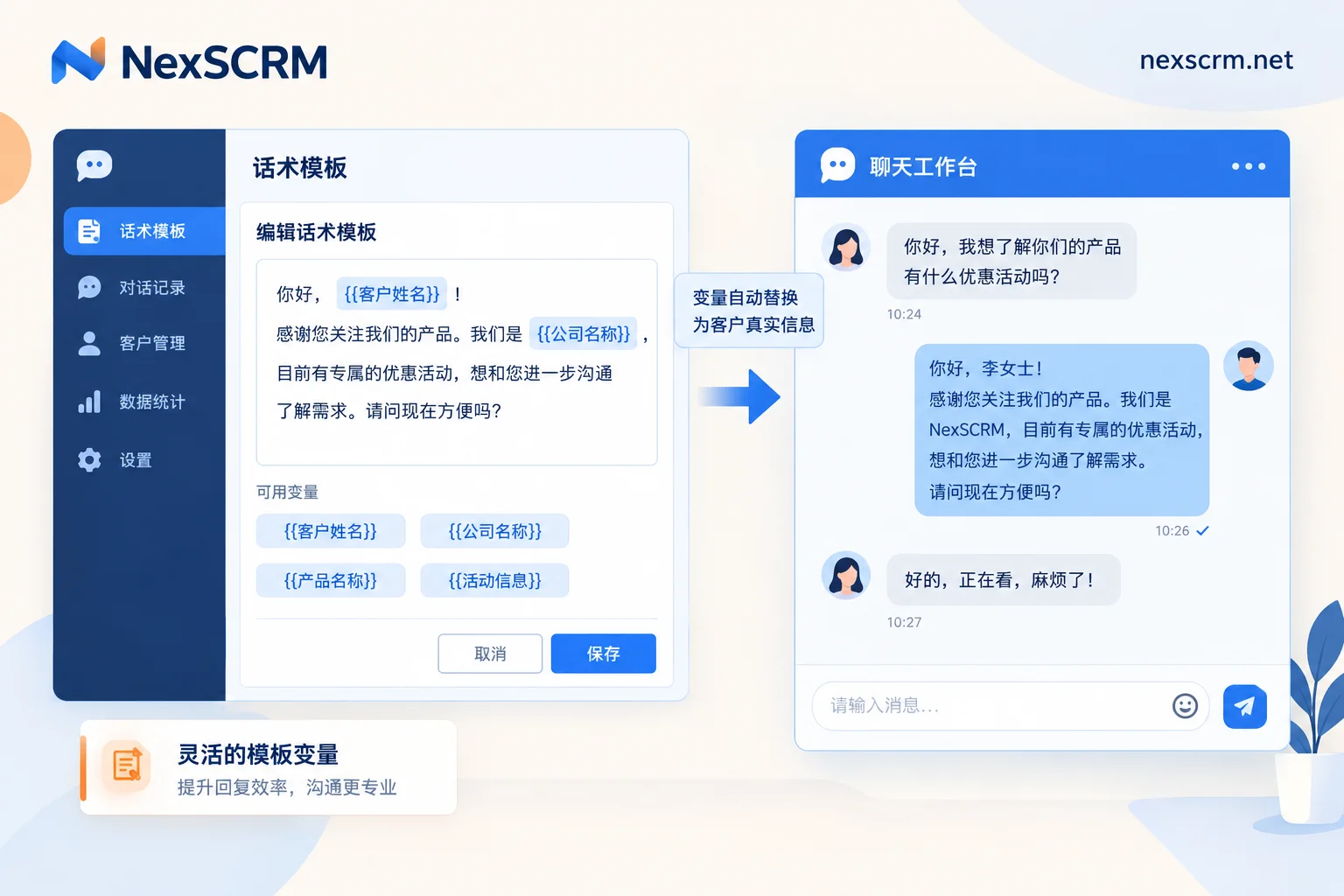
How to Use Variables in Quick Reply Templates to Automatically Fill Customer Names: Miss One of Three Prerequisites and You'll Send "Hi ,"
Whether a variable can automatically fill in the customer name depends on whether the tool parses placeholders, whether the current conversation is linked to a contact field, and whether there is a fallback for empty values. This article explains these three steps in configuration order, covers cross-platform naming differences, how to handle pure numbers and emoji nicknames, and where variables should go in multilingual templates.
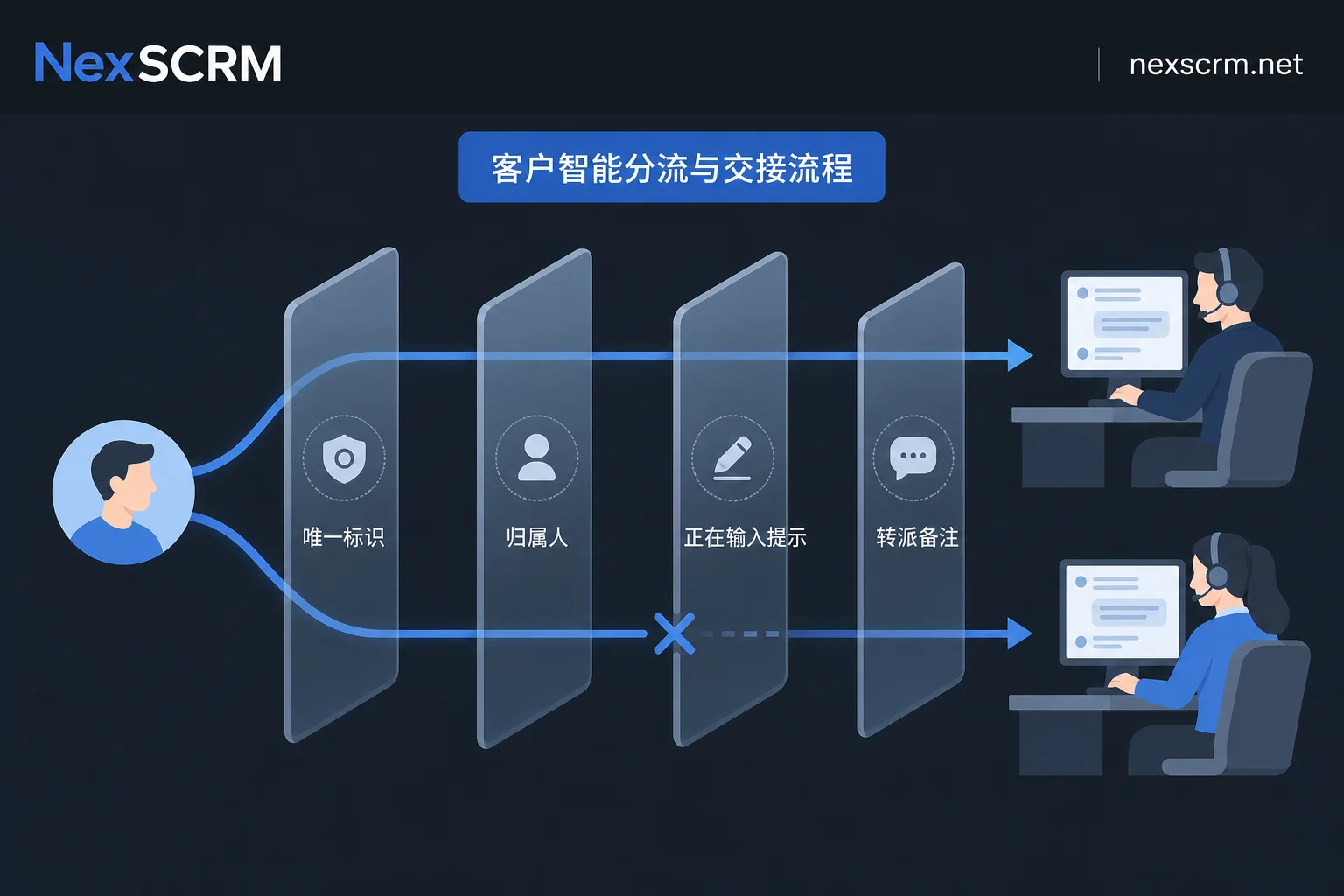
How Ticket Deduplication Prevents Two Agents from Following the Same Customer: Four Gates in Order
Preventing customer collisions isn't just about asking before replying—it requires four gates in sequence: dedupe contacts and tickets with a stable unique identifier, assign a single owner with reclamation rules, block concurrent replies with viewing/typing conflict detection, and use internal notes and formal transfers instead of parallel follow-ups.
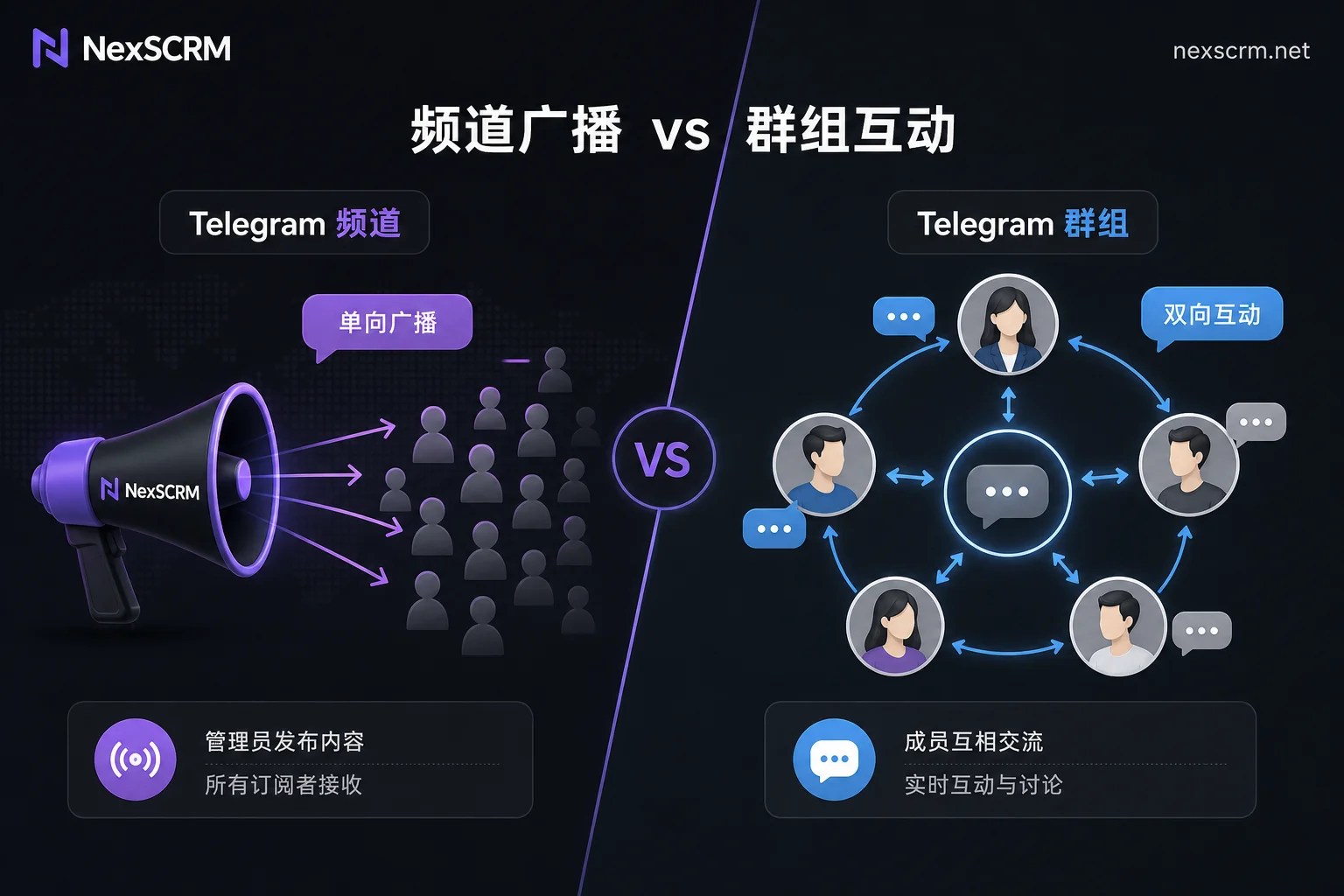
Telegram for Private Domain: Channel or Group? Broadcasting and Follow-Up Division of Labor
Analyzes the differences between Telegram channels for one-way broadcasting and groups for two-way interaction, and guides foreign trade teams on how to combine both with Bot API 10.3 features for efficient private domain operations.
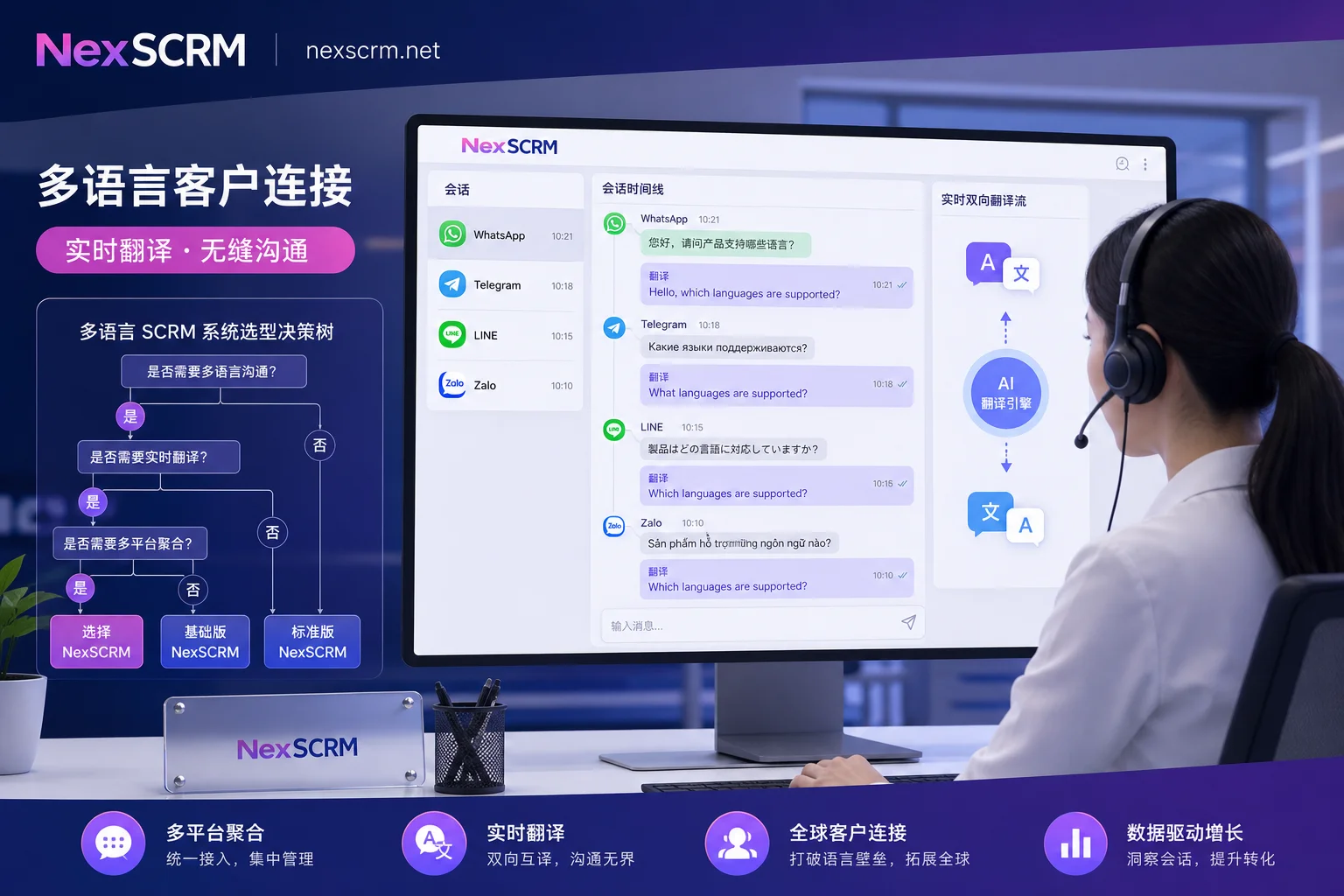
How to Choose a Multilingual SCRM System: First Check Where Translations Are Stored
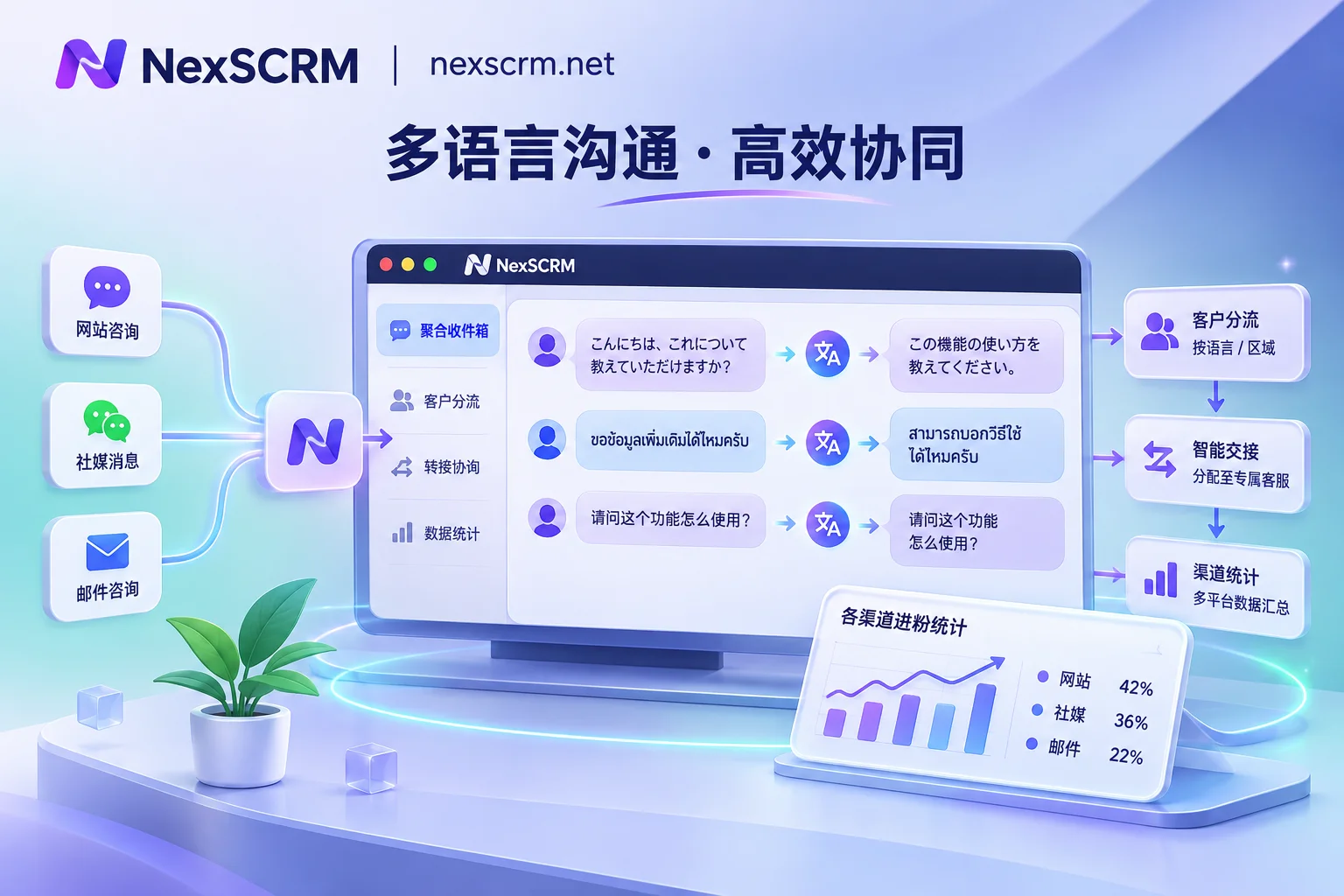
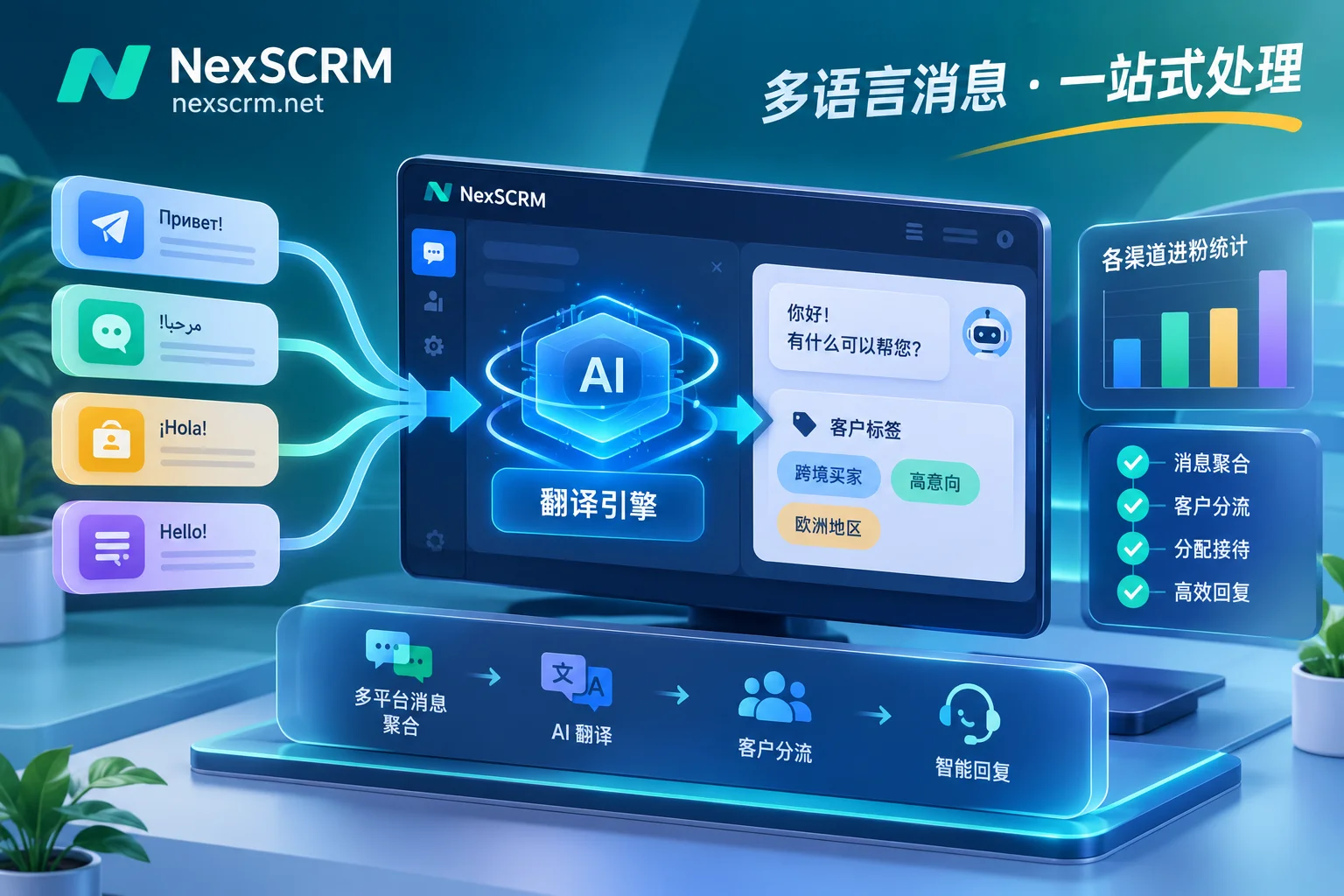
A decision tree for choosing a multilingual SCRM system: where translation occurs, whether translations are archived with conversations, multi-account agent assignment, and platform rule updates. Analyzes read-only rendering, copy-paste, and two-way translation differences, the necessity of archiving original and translated texts, and impacts of LINE and WhatsApp new regulations.