 NexScrm官方博客
How to evaluate ROI and conversion rate for overseas social media private domain operations? One-sentence conclusion: ROI = (layered conversion output − four aggregated costs) ÷ four aggregated costs, and the accuracy of the conclusion depends on whether the definition of 'valid customers/valid conversations' in the denominator is unified, not on how precise the numerator is. Below, we break this down into fillable fields across four tables, including the cost recalculation triggered by WhatsApp billing adjustments in 2026.
How to Calculate Costs for Overseas Private Domain ROI: Aggregating Four Cost Categories—Message Channel Fees, Agent Labor, Ad Traffic, and Tool Subscriptions
Back to the question 'How to evaluate ROI and conversion rate for overseas social media private domain operations', a messy denominator is the most common cause of failure. Many teams can't calculate private domain ROI accurately, not because the numerator is wrong, but because the denominator is messy. Using total followers as the denominator dilutes conversion rates; using revenue as the only numerator fails to capture intermediate progress in long B2B cycles.
The correct approach is to first define a five-layer funnel: new followers, valid conversations, inquiries, quotes, and deals. The conversion rate for each layer uses the previous layer as the denominator, not total followers. For example, inquiry conversion rate = number of inquiries ÷ number of valid conversations. This way, each layer can be pinpointed for problems.
First, list cost items, then define aggregation rules. Costs fall into four categories:
- Message channel fees: variable costs based on message count or conversation count; must be recalculated after WhatsApp billing adjustments.
- Agent labor: salaries and commissions, amortized as fixed monthly costs.
- Ad traffic: based on ad spend, including creative production.
- Tool subscriptions: SCRM, customer service tools, etc., amortized monthly.
For multi-platform operations (e.g., WhatsApp, Telegram, LINE, Zalo simultaneously), allocate ad and tool costs by account or by channel to avoid mismatched accounts.
| Cost Item | Type | Aggregation Rule | Data Source |
|---|---|---|---|
| Message channel fee | Variable | Real-time statistics by message count or conversation count | Platform bill |
| Agent labor | Fixed | Monthly salary amortized to private domain project | Finance payroll |
| Ad traffic | Variable or fixed | Allocate by ad platform spend to channel | Ad backend |
| Tool subscription | Fixed | Amortized by subscription fee | Subscription contract |
It is recommended to align the cost table with the monthly financial cycle, e.g., complete cost aggregation for the previous month by the 5th of each month, otherwise reports may not reconcile.
The Most Easily Missed Column in the Cost Table: How to Recalculate Monthly Channel Spend After Message Billing Resumes in the Customer Service Window
In 2026, Meta officially adjusted the WhatsApp Business Platform billing structure: starting August 1, AI-generated replies from Meta Business Agent are billed per token; starting October 1, previously free Service messages and Utility template messages within the 24-hour customer service window will resume per-message billing, and businesses must bind a valid payment method by September 30, or risk message delivery interruption. For details, check Meta's official "Pricing on the WhatsApp Business Platform" (https://developers.facebook.com/docs/whatsapp/pricing). Additionally, understanding WhatsApp private domain marketing strategies can help you assess the impact of cost recalculation.
This means the "message channel fee" in the cost table must be recalculated. Follow three steps:
- Export historical data: Count the number of messages (Service + Utility) in the customer service window over the past 3-6 months, as well as the proportion of AI replies.
- Classify according to the new billing structure: Split messages into AI-generated replies (token-based) and human replies (per-message), with Utility template messages listed separately.
- Estimate the monthly range: Multiply message count by the corresponding rate on the official pricing page (by country/region and message category) to estimate the monthly range, and fill it back into the cost table.
Note: Before the official rates are published, don't guess a number; provide the formula and data collection actions so finance can see the dynamic adjustment logic.
Which Caliber Is Accurate for Private Domain Conversion Rate: Five-Layer Criteria for New Followers, Valid Conversations, Inquiries, Quotes, and Deals
The caliber table defines the criteria for the five-layer funnel. Each layer must have executable fields.
| Layer | Criteria | Data Field |
|---|---|---|
| New followers | Friend added/follow/subscribed successfully | Follower count, subscription count |
| Valid conversations | Customer actively replies at least 2 rounds or more | Conversation count (manual review) |
| Inquiries | Clearly contains product/price/lead time and other demand elements | Inquiry marker (manual tagging) |
| Quotes | Quote number sent | Quote ID (manual entry) |
| Deals | Deposit or balance received | Deal amount (finance reconciliation) |
Note: Valid conversations are not "said one sentence"; at least 2 rounds of interaction is required. Inquiries must have clear demand elements, not just "Hi." Quotes must have a quote number. Deals are confirmed upon funds receipt.
Layer conversion rates use the previous layer as the denominator: valid conversation rate = valid conversations ÷ new followers; inquiry rate = inquiries ÷ valid conversations; quote rate = quotes ÷ inquiries; deal rate = deals ÷ quotes. This allows precise identification of bottleneck layers.
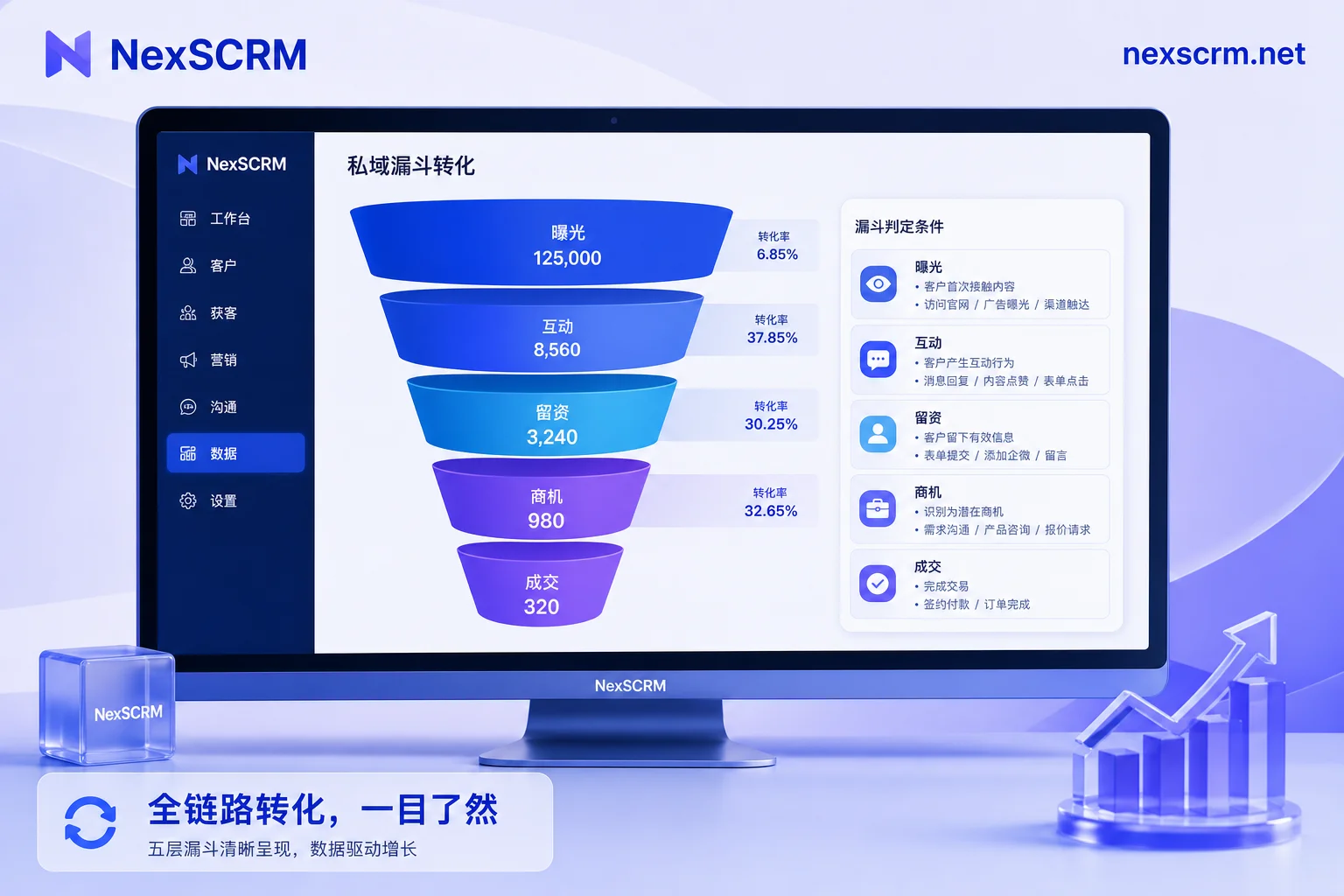
Table 3 Attribution Table: How to Attribute Private Domain Follower Sources, by Ad, Website, Offline List, and Referral
Mixed-source attribution is a common cause of ROI distortion. For example, if one lead comes from both an ad and a referral, attributing it entirely to the ad overestimates costs.
Implement three tagging methods:
- Exclusive entry links/QR codes: Different channels use different links with automatic UTM parameters.
- First-touch auto tags: Automatically tag on first add, e.g., "source-ad".
- Manual tagging on first message: Customer service manually confirms source during the first conversation.
Organic traffic (e.g., customers actively search for the brand) is recorded separately, not allocated to ad costs. You can use social media follower counters to assist in tracking follower sources.
In Southeast Asian markets like Vietnam, Zalo channels have a 48-hour conversation window limitation, and after Vietnam's Personal Data Protection Law enforcement tightened, Zalo OA's 48-hour window and multi-agent handovers require archived records (this judgment is based on industry observations, not Zalo official terms). In this case, the attribution table should also record language and region fields, e.g., "language-Vietnamese," "region-Ho Chi Minh City," to accurately calculate customer acquisition costs per market.
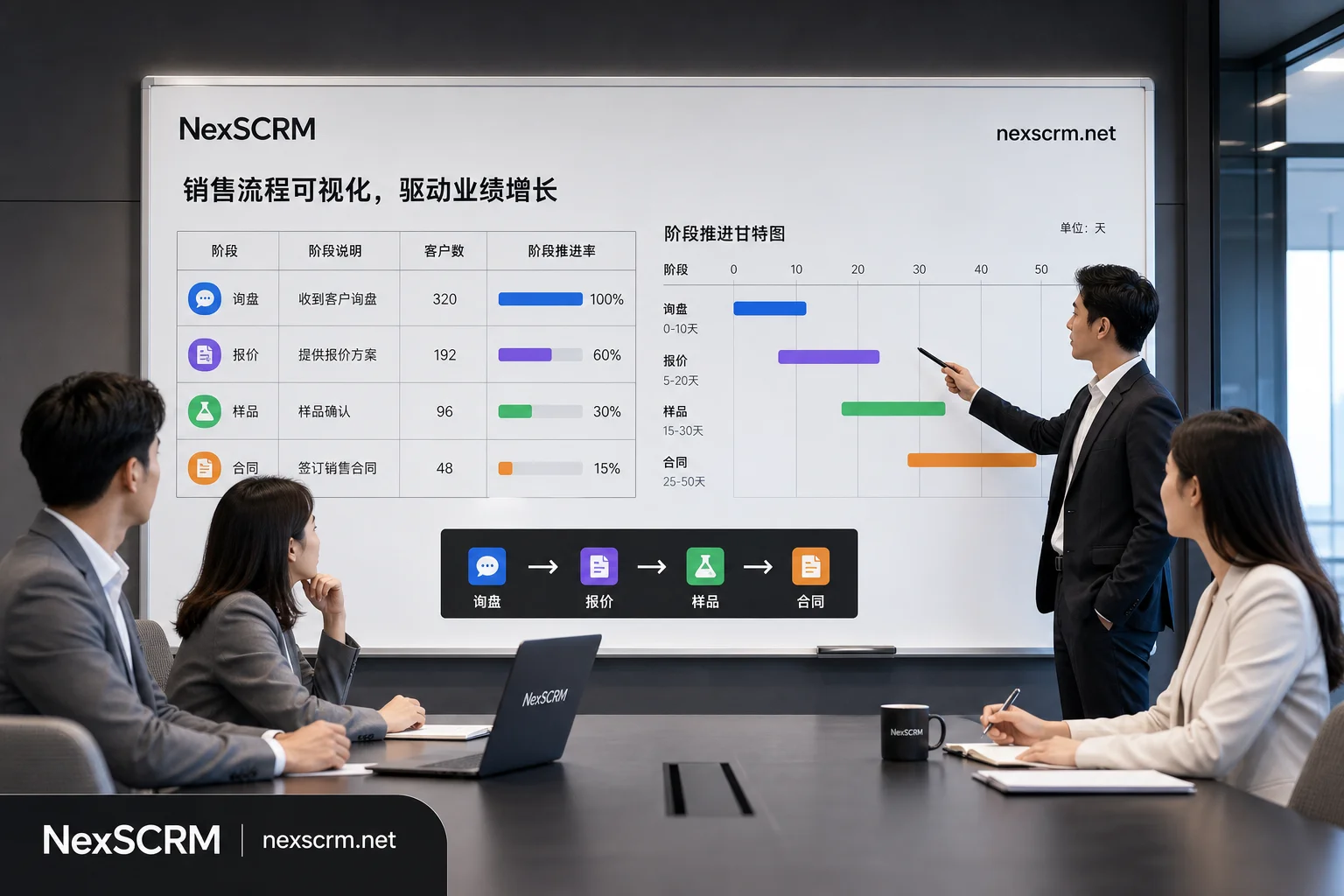
Table 4 Cycle Table: How Long for Cross-Border B2B Private Domain to Break Even, Using Stage Progression Rate Instead of Deal Value as Interim Metrics
B2B deal cycles often span months or quarters; looking only at deal value can make ROI negative in early months. Use stage progression rates instead of deal value as interim indicators to surface problems earlier.
| Interim Metric | Definition | Data Source |
|---|---|---|
| First response time | Average time from customer message to first reply | Automatic system stats |
| Second response rate | Percentage of conversations where customer replies again | Automatic system stats |
| Stage progression rate | Conversion ratio from inquiry→quote→sample→contract | Manual tagging + system |
| Stagnation days | Average days with no conversation progress | System calculation |
| Re-engagement success rate | Percentage of re-engagement campaigns leading to next stage | Manual sampling |
There are two ways to calculate payback period: cash basis (actual collections ÷ cumulative costs) and order basis (signed amount ÷ cumulative costs). It is recommended to use order basis for forward-looking reference and cash basis for actual reporting. Observation cadence: for cycles within 3 months, review monthly; for cross-quarter cycles, review stage progression rates quarterly. Regularly reviewing WhatsApp customer service KPI metrics for foreign trade teams helps optimize these interim metrics.
How to Read Conversion Rates Meaningfully: Layered Analysis Is More Useful Than Overall Numbers, Three Typical Abnormal Patterns
Looking at overall conversion rates alone cannot pinpoint problems. Analyze by layer and identify three typical anomalies:
- High new followers but low valid conversations: Traffic quality is poor, or first response time is too long causing follower loss. Countermeasure: check ad targeting and customer service response speed.
- High valid conversations but low inquiries: Script issues or insufficient need discovery. Countermeasure: sample chat logs of valid conversations (recommend 20-30 per week), optimize scripts.
- High inquiries but low deals: Problems with quotes, delivery, or follow-up cadence. Countermeasure: check quote competitiveness and follow-up frequency.
Each pattern corresponds to different fields; pinpoint to the layer to prescribe the right solution.
Where to Get Data: Which Metrics Can Be Auto-Counted by the System, Which Must Be Manually Checked and Reconciled
How to evaluate ROI and conversion rate for overseas social media private domain: the last hurdle is often not the algorithm but data collection. The fields in the four tables fall into two categories:
- System auto-counting: message count, conversation count, agent response time, follower source tags, etc., can be automatically logged by consolidated conversation and data statistics features. For example, NexSCRM can aggregate multi-platform conversations from WhatsApp, Telegram, LINE, Zalo, and provide real-time two-way translation, message and marketing data statistics, and message backup, supplying foundational fields for cost and caliber tables.
- Manual entry/sampling: determinations like inquiry, quote amount, deal attribution involve business judgment and require manual tagging and sample checks.
Note: Don't claim the system can automatically calculate ROI; combine auto and manual fields to ensure data credibility. If you need further customer information management, learn about foreign trade customer management systems.
ROI Review Cadence and Report Templates for Three Team Sizes
Different team sizes have different review frequencies and field trimming.
1-3 person small teams: Review monthly, focusing on cost table and deal count. Fields can be trimmed: only track new followers, inquiries, and deals. One-page report suffices.
5-15 person teams: Review every two weeks, use full tables, add attribution and stage progression rate. Report requirements: costs, layered conversion, attribution, stage progression, and next actions.
Multi-market multi-language teams: Review weekly, split data by region/language. For example, when using Zalo in Southeast Asia, pay extra attention to 48-hour retention and cross-language conversation archiving. Add "region/language" dimension to the report, with compliance audit fields.
Regarding "boss doesn't accept social media private domain data," the key is to make report fields traceable. For example, in Excel, enable pivot tables so clicking a number shows details. If you find a field can't be filled, it indicates a process gap; prioritize fixing the process. It's recommended to first fill in this month's fields using the four tables above to see which cells can't be filled, then decide whether to add data collection tools or manual processes. If stuck cells are concentrated on basic fields like message count, conversation count, follower source, it indicates a lack of unified data logging capability; consider NexSCRM's multi-platform conversation aggregation and message/marketing data statistics features. Business fields like inquiry determination and deal attribution still require manual entry and sampling.
FAQ
How to Calculate Overseas Private Domain ROI?
First, use the cost table to aggregate four cost categories (message channel fee, agent labor, ad traffic, tool subscription), then use the caliber table to define valid customers. Final formula: ROI = (layered conversion output − four aggregated costs) ÷ four aggregated costs. The core is a clear denominator and layered conversion analysis.
Which Caliber Is Accurate for Private Domain Conversion Rate?
Use the five-layer funnel: new followers, valid conversations, inquiries, quotes, deals. Each layer's conversion rate uses the previous layer as denominator, not total followers. For example, inquiry conversion rate = inquiries ÷ valid conversations.
How Much Does a WhatsApp Private Domain Customer Cost?
There is no industry benchmark; it must be calculated based on your own data. Use the cost table to aggregate monthly total costs (including message channel fees) and divide by the number of valid conversations for the month to get the cost per valid conversation. Note that after October 2026, messages in the customer service window will be billed per message, so recalculate.
How Long for Cross-Border B2B Private Domain to Break Even?
It depends on the deal cycle. If the cycle is within 3 months, use cash basis (actual collections) to measure break-even; if cross-quarter, use order basis (signed amount) as a forward-looking reference. It is recommended to use stage progression rate as an interim metric to avoid negative ROI affecting decisions.
How to Attribute Private Domain Follower Sources?
Use three methods: exclusive links/QR codes, first-touch auto tags, and manual tagging on first message. Organic traffic is recorded separately. For Southeast Asian multi-language markets, record language and region fields for market-specific accounting.
What to Do When Boss Doesn't Accept Social Media Private Domain Data?
Make data traceable. Every number in the report should drill down to specific details, e.g., clicking new follower count shows the follower list. If a field can't be filled, it indicates a data collection gap; prioritize fixing the process. Also, align the cost table with the monthly financial cycle to reduce disputes.



Comments(0)