 NexScrm官方博客
Telegram private domain operations can be broken down into five steps——channel broadcasting, community aggregation, content scheduling, private chat conversion, and data collection——the goal is to organize scattered channels, groups, and bots into a traffic pool that can be retained and repurchased. Many teams currently have both new overseas inquiry customers and old customers repeatedly asking about after-sales in the same group, with messages drowned out by ads and bot spam, making conversion naturally impossible. On July 14, 2026, Telegram officially launched the Communities architecture and rich text editor, which is a window period to restructure your private domain.
Three Structural Gaps in Telegram Private Domain Operations: Why a Single Group Can't Drive Repurchase
Many teams are used to "one group for everything," but mixing customer groups, drowning announcements in chat, bot interaction flooding, and nowhere to store private chat leads—these three gaps directly hinder repurchase.
First, new and old customers are mixed in the same space: new customers see complaints from old customers, and old customers' inquiries are often interrupted by new customers' basic questions. Second, announcements and daily chat mix together, making important information easy to scroll away, especially in large groups. Third, frequent bot interactions also cause flooding, with query results visible to everyone, disturbing others and making potential customers hesitant to interact.
Step 1 Entrance Layering: Channels for Broadcasting, Groups for Interaction, Bots for Acquisition
Channels, groups, and bots have clear distinct functions: channels are one-way publishing, used for attracting new customers and building trust; groups are two-way interaction, used for Q&A and activity; bots are automated acquisition, used for lead collection and self-service queries. Understanding the difference between Telegram channels and groups is essential to make them work together.
| Entrance Type | Role | Main Actions | Guidance Path |
|---|---|---|---|
| Channel | Broadcast & Trust Building | Publish industry insights, product updates | Bottom button guides to group |
| Group | Interaction & Activity | Q&A, topic discussions | Admin private chat guides to bot |
| Bot | Acquisition & Conversion | Lead collection, price quotes, self-service | Private chat for one-on-one follow-up |
For example, a channel publishes product reviews, attracting attention and guiding users to join the group for discussion. In the group, when a user shows intent, the bot automatically triggers to collect contact information and move to private chat. This way, each entrance has a clear output, preventing user confusion. Once channels, groups, and bots are parallel, subsequent message reception often needs to be unified through a social media aggregation customer service platform.
Step 2 Community Aggregation: How to Rearrange Channels and Groups After Communities Launch
On July 14, 2026, Telegram's official blog announced the launch of the Communities architecture, supporting binding multiple channels, groups, and bots into one community space. This means you no longer need to rely on pins and forwards to connect entrances, but can aggregate scattered channels and groups by language, product line, or customer stage.
For example, for the Southeast Asian market, you can create a separate subgroup for each country and bind them all under the same community, with an announcement channel for global messages and different language groups each doing their part. However, it's important to note that Communities only solves structural issues, not CRM capabilities like customer tagging or order management; operators still need external systems to store data. The value of the community architecture lies in giving users a clear view of your community system and allowing operators to maintain by segment.
Step 3 Content Scheduling: How to Handle Readability of Announcements and Materials
According to Telegram's official blog update on July 14, 2026, the rich text editor supports up to 32,768 characters per message, with headings, lists, and inline media. This means long product articles and event notifications can be presented with structured formatting, not just a wall of text.
Recommend a fixed weekly publishing rhythm: Monday industry trend long-form, Wednesday product case studies, Friday event previews. Use headings to segment long articles, lists for key data, and images or videos to enhance readability. For example, an event notification could be:
- Event time: X月X日 20:00
- Participation: Click the button below
This way, users can grasp the key points at a glance, avoiding long content being skipped. When scheduling content, stagger the publishing rhythm across channels, groups, and bots to avoid bombarding users with multiple messages at once.
Step 4 Private Chat Conversion: Action Nodes from In-Group Touchpoints to One-on-One Follow-up
The key to converting group members into private chat customers is identifying intent signals and responding quickly. When a user actively asks about product price or usage, it's usually an intent signal. At this point, use a bot to provide temporary private replies in the group; Telegram's new Ephemeral Bot Messages ensure interaction results are only visible to the operating user, avoiding flooding others.
Recommend setting up this action chain: user triggers a keyword (like "quote") in the group → bot sends product materials and lead form automatically in private chat → after submission, the operator account initiates a one-on-one conversation in Telegram. The first private chat should be responded to within 10 minutes, with a script that introduces personalized needs: "I saw you're interested in Product X. I have a solution tailored to your industry. May I send it for your reference?" Then follow up every 2-3 days until a deal or explicit abandonment. Managing in-group ad spam can also start here: temporary private replies pull interaction results into individual user views, combined with admin review and keyword mutes, visible ineffective messages in the group will significantly decrease.
Step 5 Data Collection: How to Archive Five Levels of Metrics in Your Telegram Private Domain Traffic Pool
Data collection is the core loop of Telegram private domain operations. At least archive five levels of metrics: channel follower growth, group activity, bot triggers, private chat first response, and conversion. Keep data collection criteria consistent, e.g., channel growth counted weekly by new subscribers, group activity by number of speakers per week, bot triggers logging user ID and trigger time.
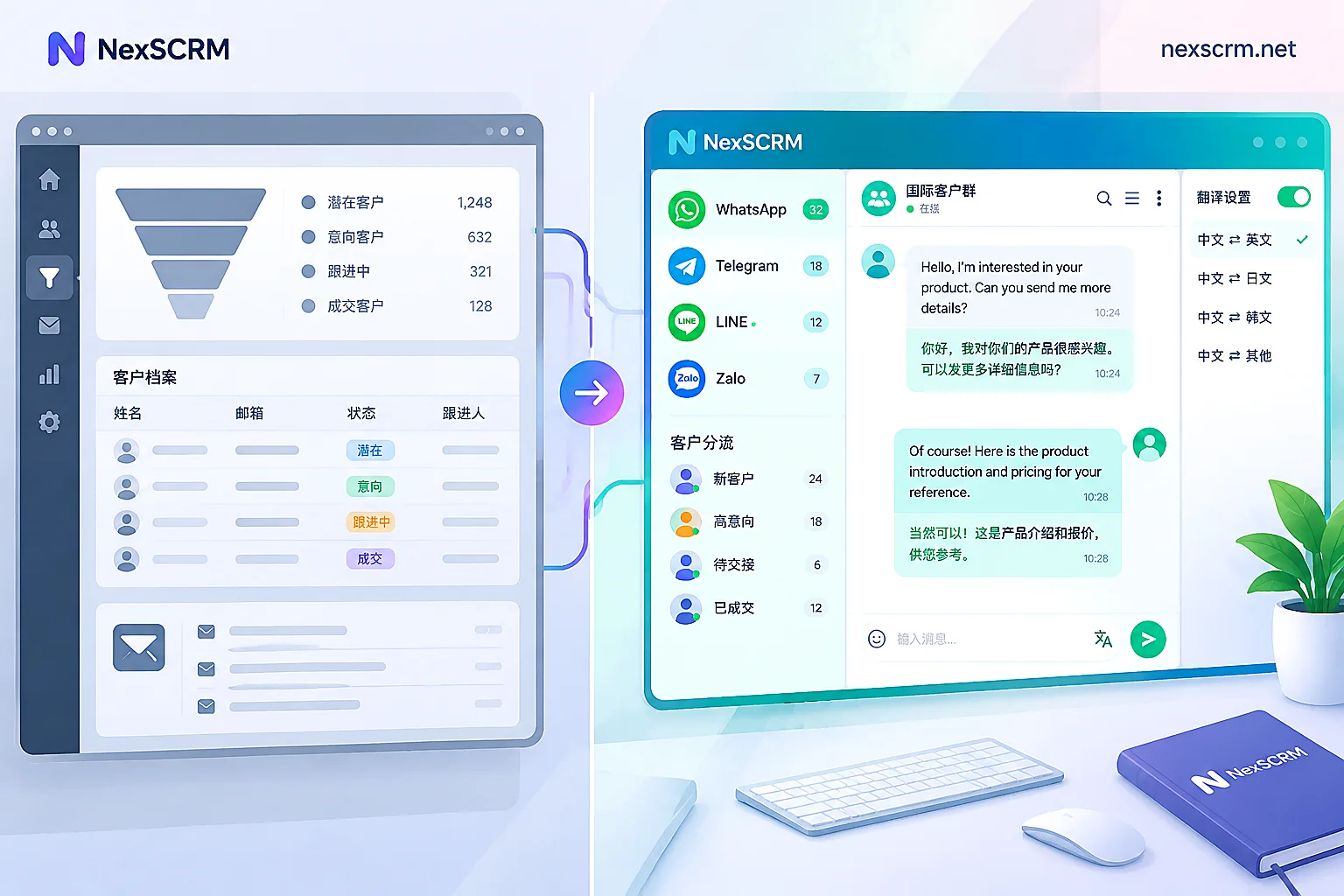
Chat logs and customer tags should stay in systems outside the platform to avoid asset loss due to account changes. It's recommended to use tools like Telegram SCRM to automatically back up messages and sync customer follow-up status. After all, Telegram accounts can be banned or migrated; only by storing data in your own system can you ensure private domain assets are not lost.
Execution Configuration for Multilingual and Multi-Account Scenarios
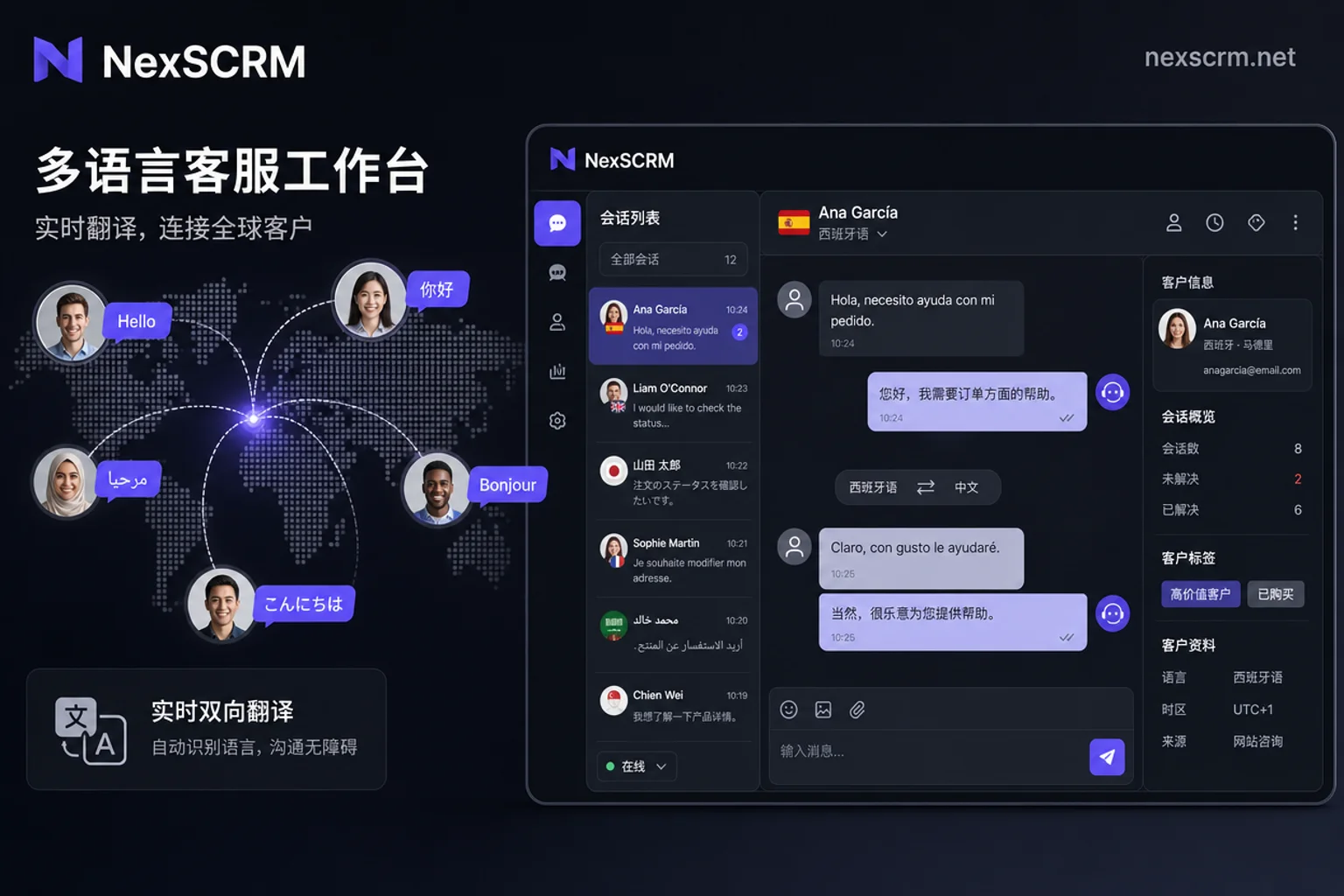
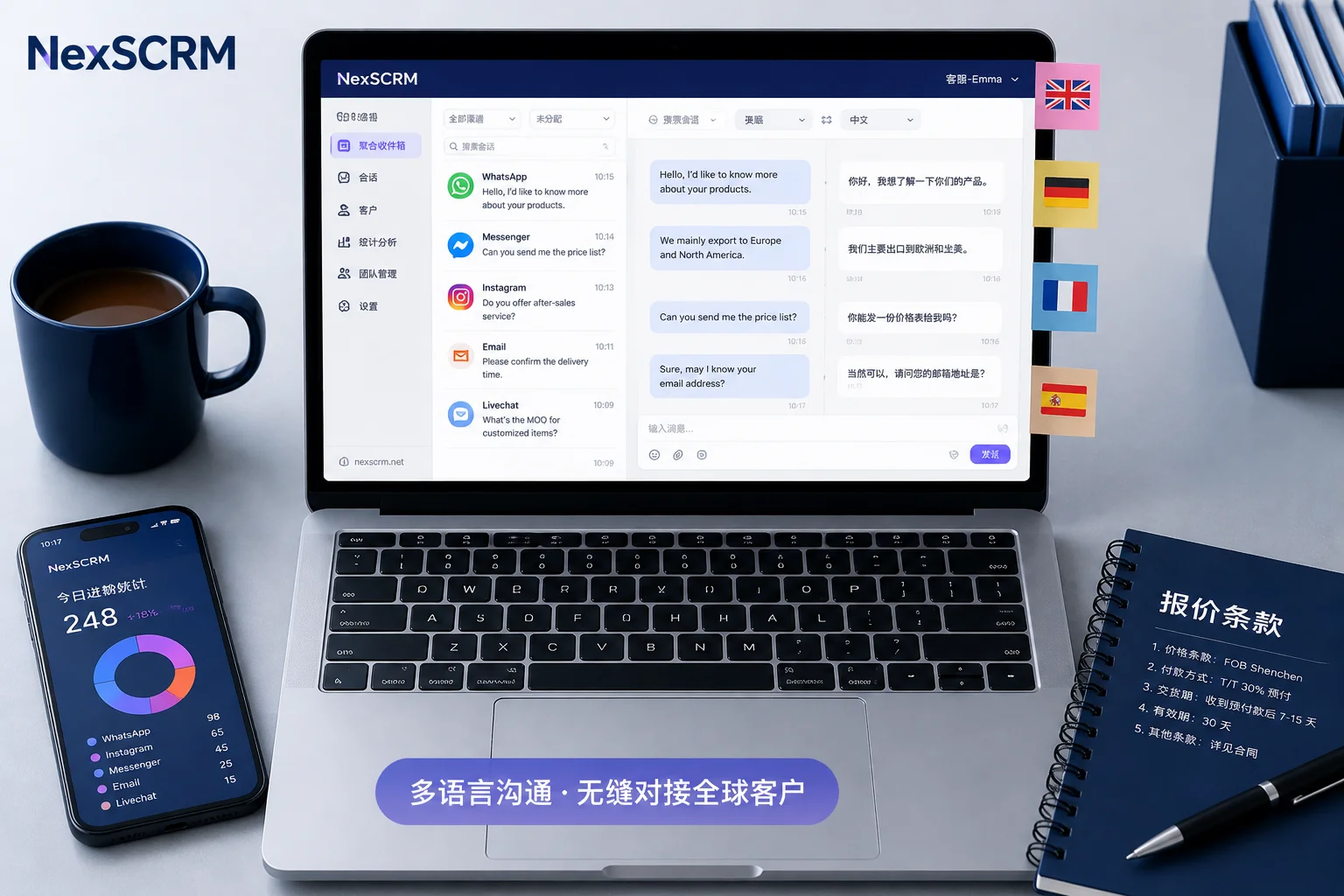
After breaking down the community structure, conversation entrances increase and languages become more diverse, requiring multi-account aggregation for sending and receiving. For example, managing three language subgroups (Indonesian, Vietnamese, Middle East) simultaneously means you can't constantly switch between accounts. With a multi-account customer service management tool, you can receive all Telegram private chats and group messages in one workbench, reducing response latency.
Cross-language replies and archiving are equally important. With Telegram translation software, you can achieve real-time two-way translation, and message backup ensures historical conversations are retrievable. Remember, these tools are not official Telegram features but third-party integration solutions; choose them with attention to data privacy and security.
FAQ
How can channels and groups be effectively combined?
First, create a channel for content broadcasting, build trust, and then guide users to join a group for interaction. In the group, use a bot for further conversion. Usually, one channel pairs with one main group; you can have multiple subgroups by language or product line, but not too many to avoid management overhead.
Does the Telegram Communities feature require re-registration?
No. Communities is an aggregation of existing channels, groups, and bots; you can bind existing entrances under the new community, and old groups and channels remain functional. It's just a matter of adding bindings in settings—a structural reorganization that doesn't affect historical data.
How to effectively manage frequent ad spam in groups?
Enable group moderation permissions, set keyword mutes, and use bot temporary private replies to move interactions to private chat, reducing visible ineffective messages. Additionally, regularly remove violators to maintain discussion quality.
How to manage private chats across multiple accounts and languages?
The key is consolidating sessions from multiple accounts into one workbench instead of manually switching accounts. Systems with multi-account aggregation, real-time two-way translation, and message backup (like NexSCRM) can do this; when selecting, focus on whether it supports the languages and account numbers you actually use.
How often should you follow up with private chat customers?
After first contact, respond within 10 minutes, then follow up every 2-3 days until an explicit interest or a deal. Too frequent can be off-putting; too spaced out risks losing them. Adjust based on customer source and product decision cycle, and set automatic reminders if needed.


Comments(0)