 NexScrm官方博客
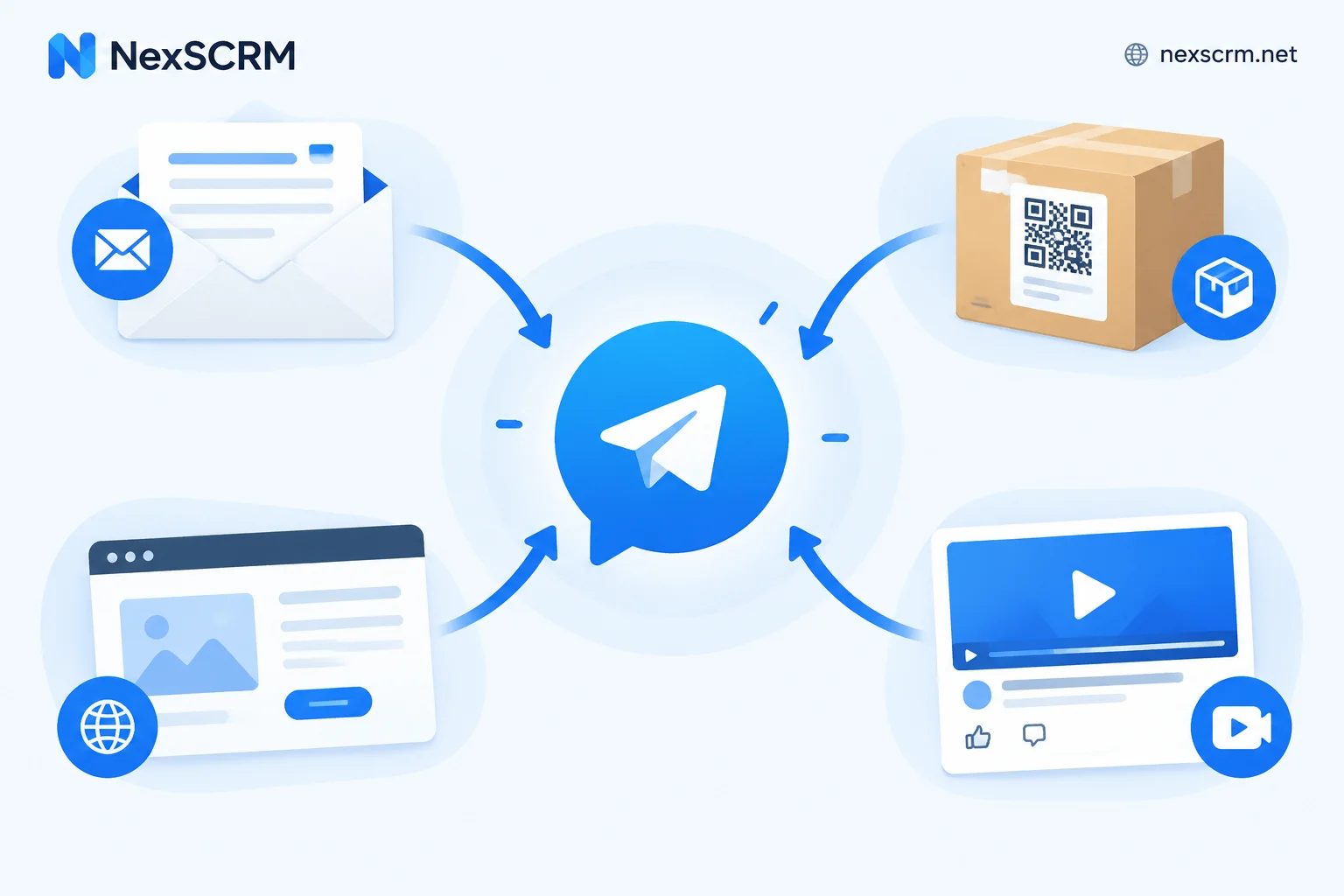
An overseas buyer just received a lengthy product specification with formatting in the group. Before they could read it carefully, the customer service rep, unable to understand the buyer's subsequent multilingual questions, scrambled to paste key terms into a third-party webpage. This disconnection in conversation is becoming more frequent with Telegram's latest upgrade. As Telegram's global monthly active users surpass 1 billion, the official mid-July update introduced a major version including a rich text editor, allowing users to directly edit and send long-form content with tables, headings, and embedded media within chats.
The shift from "fragmented short messages" to "in-depth text and images" in community interaction presents new challenges for cross-border customer service and private domain teams. Facing long paragraphs, specialized terminology, and mixed-language replies from international buyers, finding a Telegram translation tool that accurately handles complex formatting and multi-language switching has become a top priority for many operations managers.
After Long-Text Formatting is Implemented, Cross-Border Communication Pain Points Have Changed
In past community operations, instant messaging mainly handled short Q&A. Customer service reps only needed to copy a few simple greetings or basic prices to complete initial client contact. However, after Telegram launched the new rich text editor, brands began to prefer sending complete solutions, technical white papers, or combined quotes with multiple products directly in chats.
Although this condensed information presentation improves the reading experience, it also changes customer reply habits. Overseas buyers no longer reply with simple confirmations but ask in-depth questions about specific table cells or certain contract clauses in the long text. If the team still relies on traditional copy-paste translation tools, they not only risk losing rich text formatting but also may misinterpret due to missing context.
When buyers from multiple countries gather in one group, the interweaving of languages becomes more pronounced. Middle Eastern clients ask about payment details in Arabic, European agents add logistics requirements in German—if customer service reps cannot seamlessly understand everything in the same interface, the follow-up rhythm is completely disrupted.
How Can Telegram Translation Apps Handle Complex Formatting and Multilingual Mix?
Faced with evolving social interaction forms, manually switching browser tabs for translation can no longer meet business needs. A qualified Telegram translation app must deeply integrate language conversion into the instant messaging workflow.
For the current communication landscape of long texts and mixed languages, effective high-efficiency translation solutions typically need to address four core challenges:
- Maintain formatting and semantic integrity: When translating long paragraphs or formatted messages, preserve the original text's hierarchy and table logic to avoid turning the translation into an unreadable blob.
- Intelligent recognition of industry terminology: Accurately convert specialized vocabulary in fields like cross-border e-commerce, finance, or industrial manufacturing to reduce business disputes caused by mechanical translation.
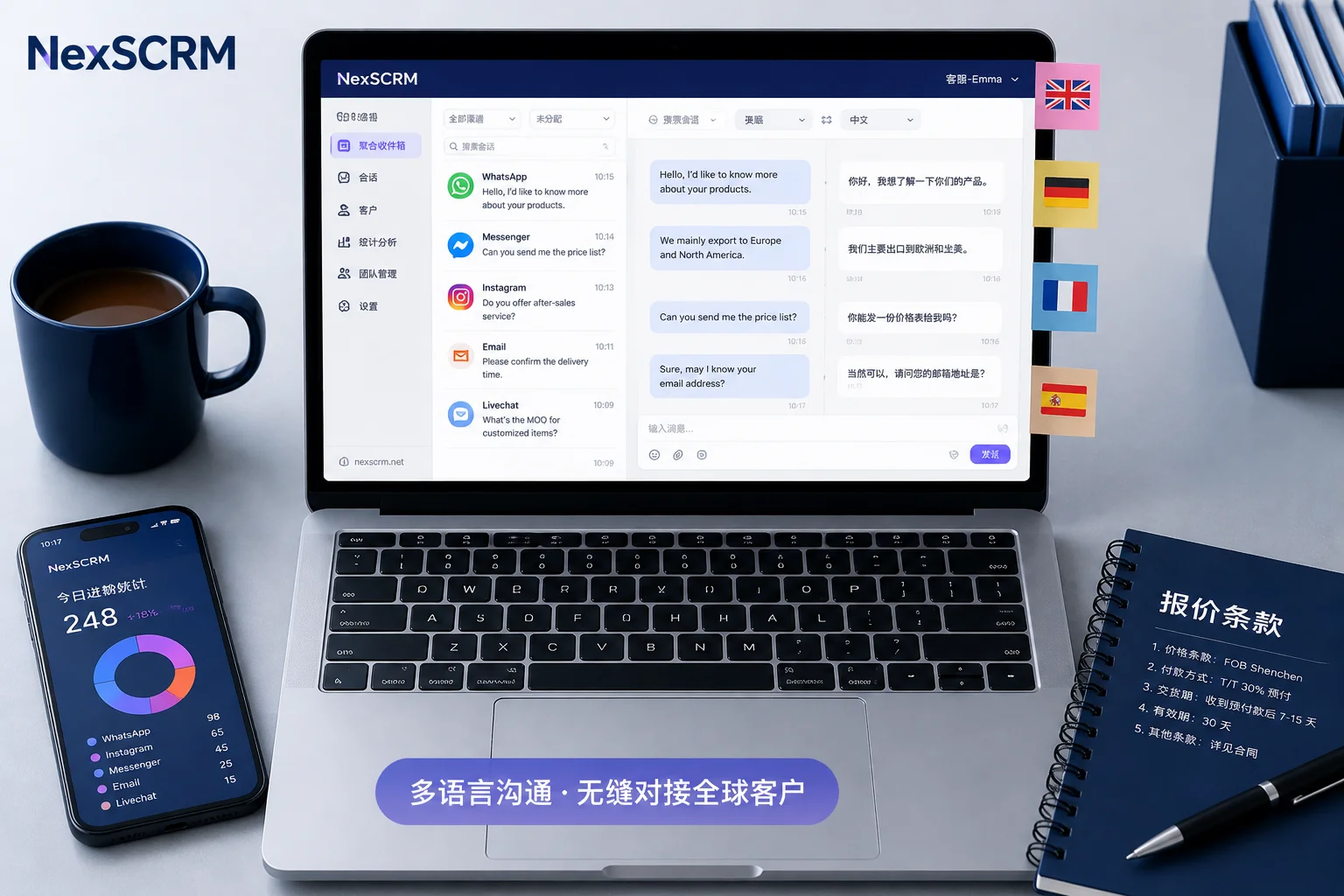
- Real-time bidirectional seamless conversion: Automatically convert the rep's native language to the target client's language when typing replies, and instantly display incoming multilingual messages in Chinese, enabling smooth single-interface conversations.
- Coordinate with multi-account unification: When operators manage dozens of Telegram accounts simultaneously, the translation function must seamlessly integrate with multi-account switching, avoiding repeated logins or software lag.
For enterprises with multinational business teams, a Telegram translation tool with bidirectional real-time interaction not only reduces translation errors from copy-pasting but also directly improves response efficiency, minimizing customer churn caused by language barriers.
Business Considerations for Unified Inbox and Real-Time Synchronization
Simply solving "understanding" and "replying" is just the first step. In actual customer management, the assetization of translation data and communication records is equally important. When conversations involve product inquiries, after-sales claims, or follow-ups, chat text needs to be quickly consolidated into reusable corporate data assets.
Many overseas teams face an awkward situation during expansion: Customer service reps communicate well using translation tools on personal accounts, but when staff changes occur, all customer chat history, translation annotations, and specific preferences remain on personal devices, unable to be transferred. This data silo phenomenon greatly weakens the stability of corporate private domain assets.
Modern SCRM systems show clear architectural advantages in solving this pain point. For example, Nexscrm integrates instant messaging with multilingual follow-ups by connecting collaboration boards and customer profiles, so each translated conversation is automatically linked to the corresponding customer card. Even if reps of different languages take shifts, they can instantly understand the context, ensuring consistent service experience.
When choosing a Telegram translation tool, beyond basic word accuracy, the system's recognition of context and specialized terminology is also critical. If the translation tool can synergize with backend data management, managers can view customer focus areas from different language regions through the backend, allowing targeted adjustments to overseas marketing strategies.
Long-Term Human Efficiency Control in Cross-Border Private Domain Operations
As community features become richer, instant messaging apps are no longer just chat windows but have evolved into comprehensive entry points for display, transactions, and services. This change imposes higher standards on the operational efficiency of overseas enterprises.
A cross-border customer service team of just 5 people, equipped with efficient automation tools and translation support, can handle the multinational response workload that previously required 20 people. Freeing customer service reps from tedious mechanical translation and information transfer, allowing them to focus on deep matchmaking with high-intent clients, is the fundamental logic of private domain growth.
Multi-account collaboration systems like Nexscrm seamlessly integrate multilingual translation with customer relationship management, enabling enterprises to expand globally without being limited by language barriers and labor costs. As instant messaging platforms continue to upgrade, optimizing one's toolchain configuration and establishing a responsive, accurate multilingual service system will be key for multinational companies to maintain market competitiveness.


Comments(0)