 NexScrm官方博客
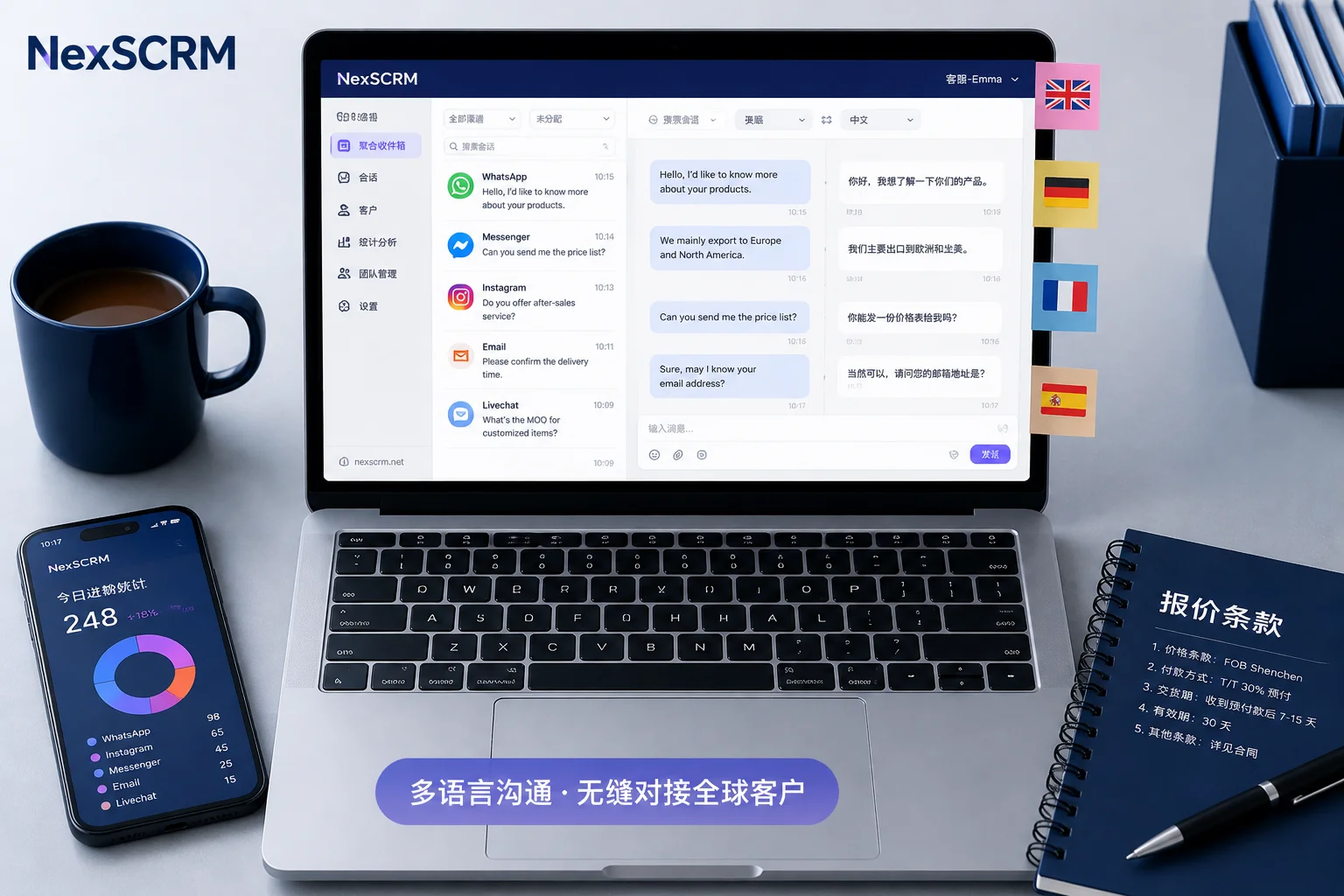
The communication scene of overseas teams is often fragmented: customer service staff quickly respond to overseas buyers' inquiries on mobile devices while simultaneously reviewing multi-page English documents on their computers. When encountering non-common languages, they frequently copy and paste text into translation tools.
With the evolution of multi-device collaborative ecosystems, the integration of instant messaging software is undergoing qualitative changes. As communication interfaces extend to more hardware forms and file interaction scenarios, when enterprises build private domain positions, the ability of the underlying SCRM system to handle such complex multi-device, multilingual interactions becomes a breakthrough for overall operational efficiency.
Cross-Device Session Synchronization and Multi-Device Response Capability
On July 22, WhatsApp officially launched a series of updates including independent account registration for iPad and in-car system reconstruction. Meanwhile, Telegram recently introduced community features and Ephemeral Bot Messages in its new version to better organize group structures. This means that overseas users' communication behaviors are no longer limited to a single mobile device; seamlessly switching between car systems, tablets, and desktops anytime and anywhere has become the norm.
For enterprise managers, traditional customer management often focuses only on whether a single conversation is replied to, neglecting the continuity of conversation context when flowing across multiple terminals. When evaluating such software, the first core consideration is whether the system can seamlessly capture and synchronize session traces across all terminals in a multi-device parallel login environment, preventing customer follow-up records from being disconnected due to device switching.
Native File Parsing and Multilingual Translation Depth
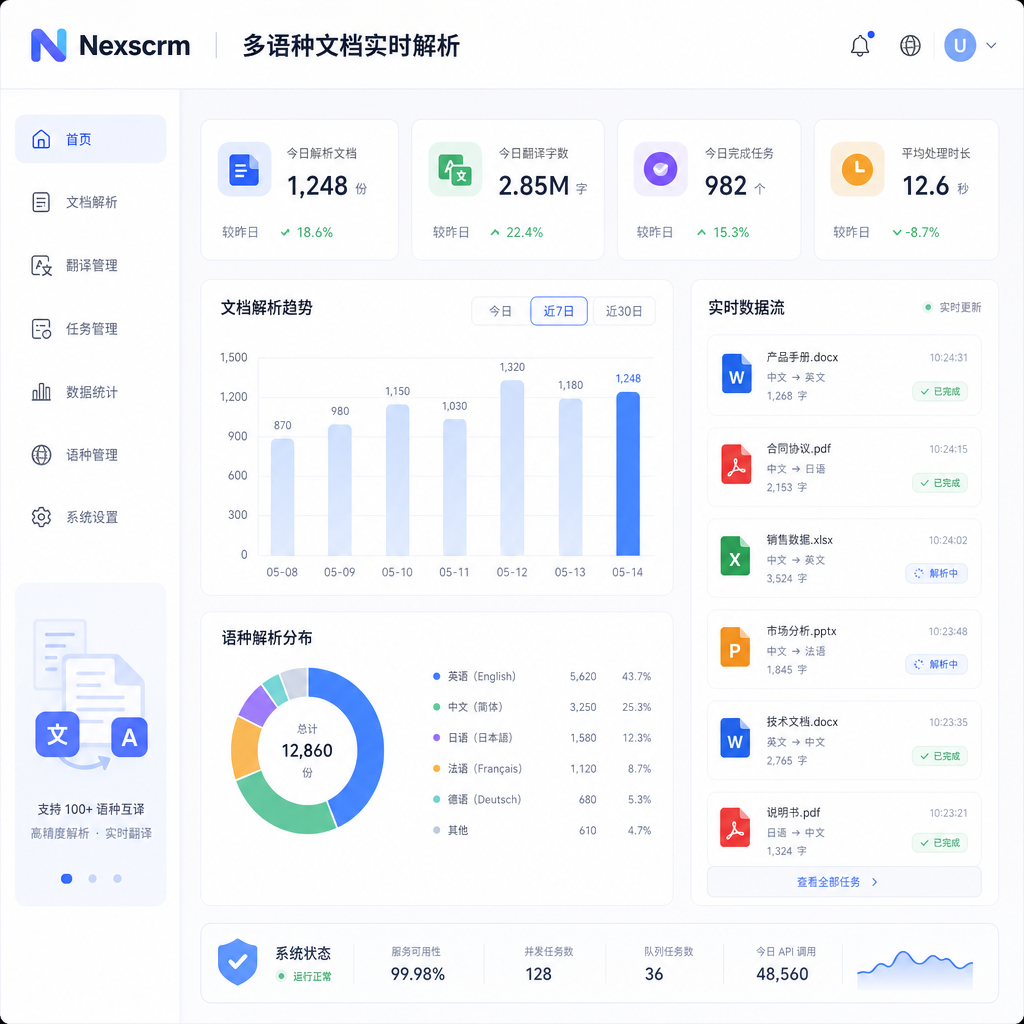
Besides the differentiation of terminal forms, the carriers of interaction content are also changing. In recent updates, WhatsApp directly integrated native PDF viewing and annotation tools, and Telegram upgraded its rich text editor to support up to 32,768 characters. The frequency of buyers and sellers directly discussing and modifying contracts, quotations, and technical solutions within chat windows has increased significantly.
This trend imposes higher hard requirements on SCRM systems' document processing and multilingual translation capabilities. When a customer service representative faces a non-native PDF file that the customer has modified in real time, a system that only supports basic chat text translation cannot meet the needs of instant business negotiations. During the selection process, it is essential to evaluate whether the software can perform real-time contextual parsing on complex files in chat streams and provide low-latency, accurate multilingual translations.
Security Boundaries and Control in Human-Machine Collaboration
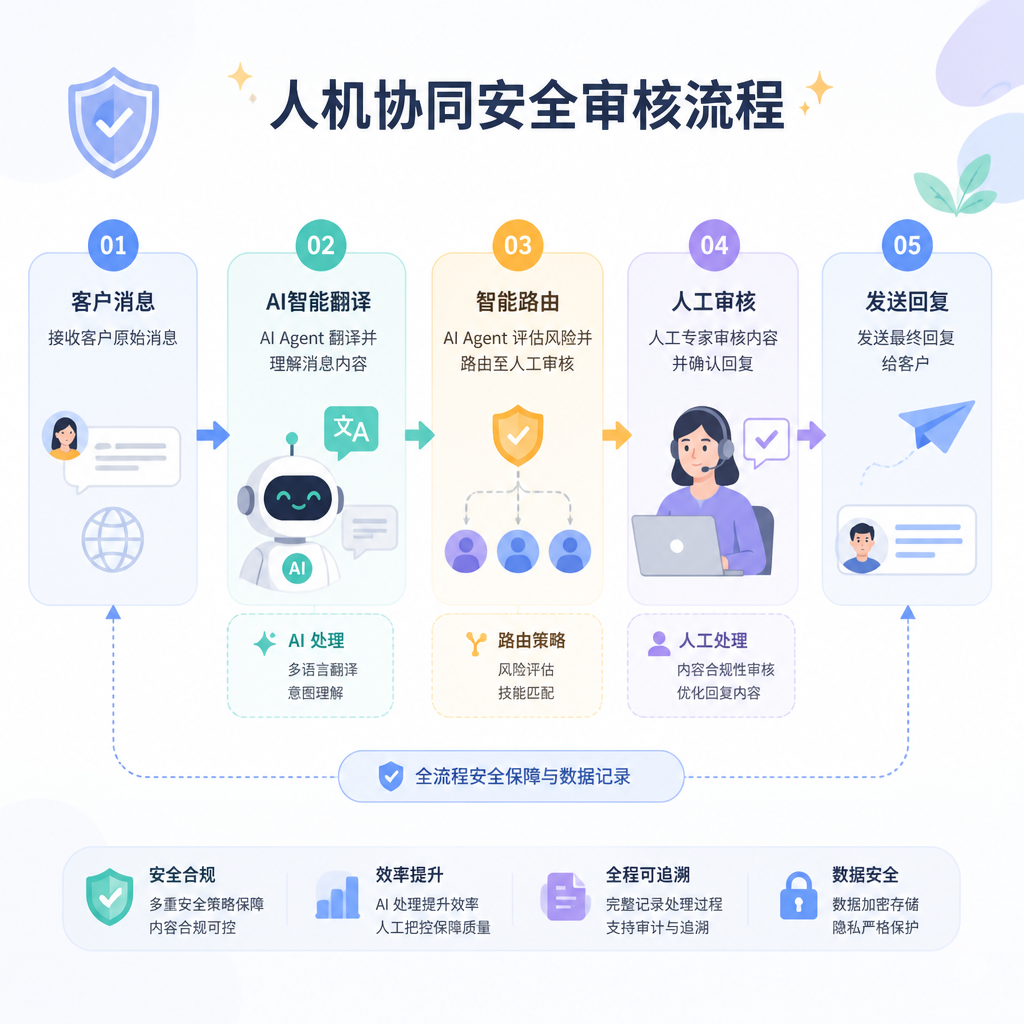
According to a survey report released by SAP Engagement Cloud on July 22, 35% of surveyed enterprises have deeply embedded AI agents into core business workflows, while 75% of executives emphasized that the introduction of AI tools must be based on ensuring human control. Relying solely on fully automated robots can easily cause service accidents due to semantic misinterpretation, while relying entirely on human agents cannot handle massive concurrency.
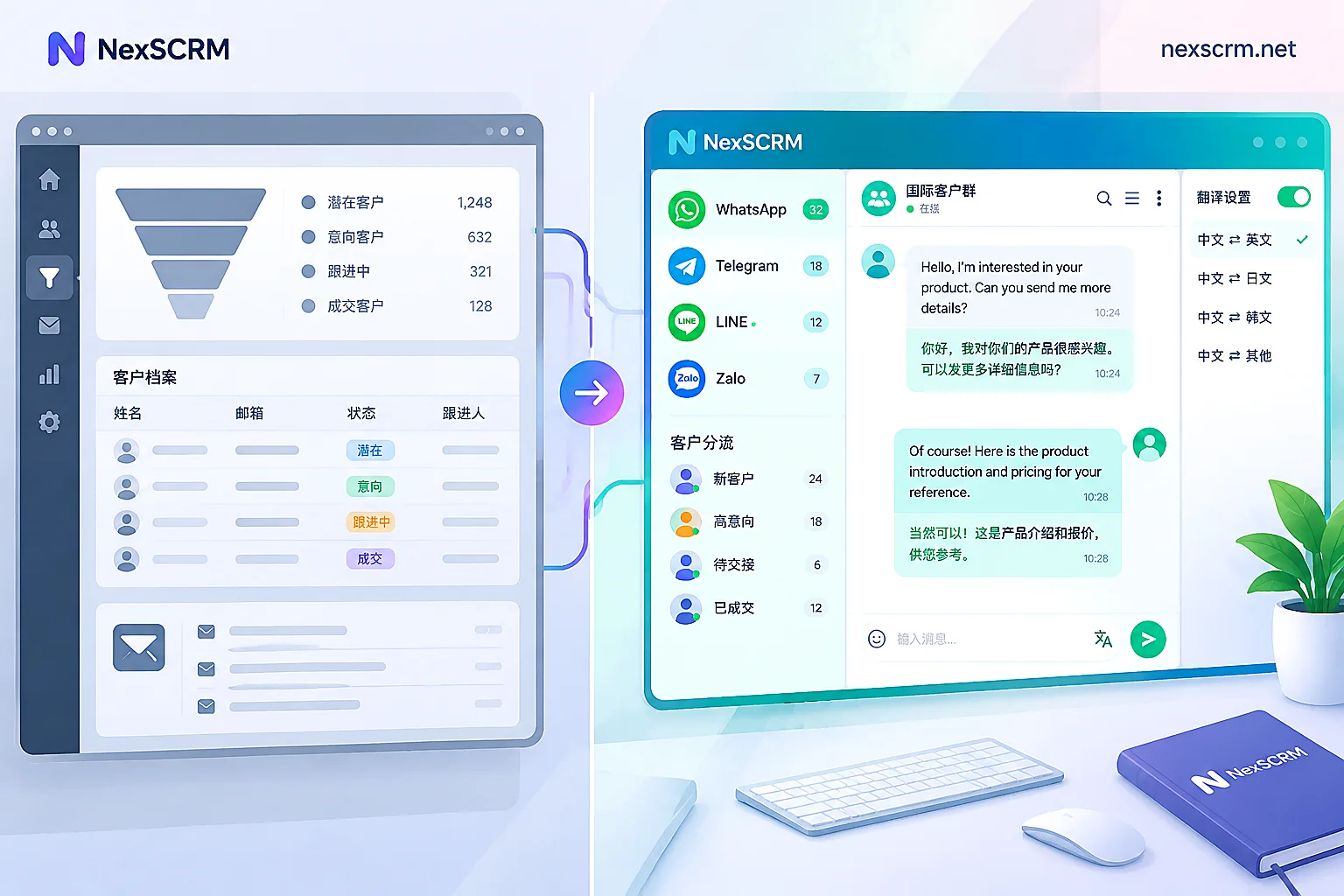
An excellent private domain architecture should establish clear boundaries between automation and human intervention. For example, in multi-channel customer follow-ups, Nexscrm organically combines real-time translation, automatic tagging, and human takeover mechanisms, allowing AI to handle tedious language conversion and information classification while leaving critical decision-making replies for manual review, striking a balance between human efficiency and communication security.
4 Key Inspection Items in Selection Comparison
Based on the recent functional evolution of instant messaging tools and the actual needs of enterprise intelligent implementation, when selecting a private domain collaboration solution that fits your business, you can conduct a comprehensive review against the following standards:
- Multi-device sync resilience: Can the system ensure full real-time updates of customer data and chat records when customer service staff log in from different hardware devices?
- Contextual translation accuracy: Does the multilingual translation support real-time error correction based on cross-border transaction context, rather than mechanical literal conversion?
- Document collaboration smoothness: Can complex file formats be processed and parsed directly within the conversation stream, reducing time spent switching between software?
- Automation control mechanism: When AI agents assist in follow-ups, are there clear rule restrictions and an interface to switch back to manual takeover at any time?
As communication channels become increasingly fragmented and interaction files more complex, the core of selection is no longer about how many gimmick features the platform stacks, but whether it can converge multi-device sessions, cross-language translation, and customer data into a stable and efficient closed loop. Just as Nexscrm demonstrates in multi-channel collaboration, only when tools serve the real communication workflow can the asset accumulation of private domain operations have true commercial value.


Comments(0)