 NexScrm官方博客
How Cross-Border Teams Can Make the Most of AI Customer Service Assistants: Avoid the 'Full-Automation Hallucination' Trap and Build a High-Conversion
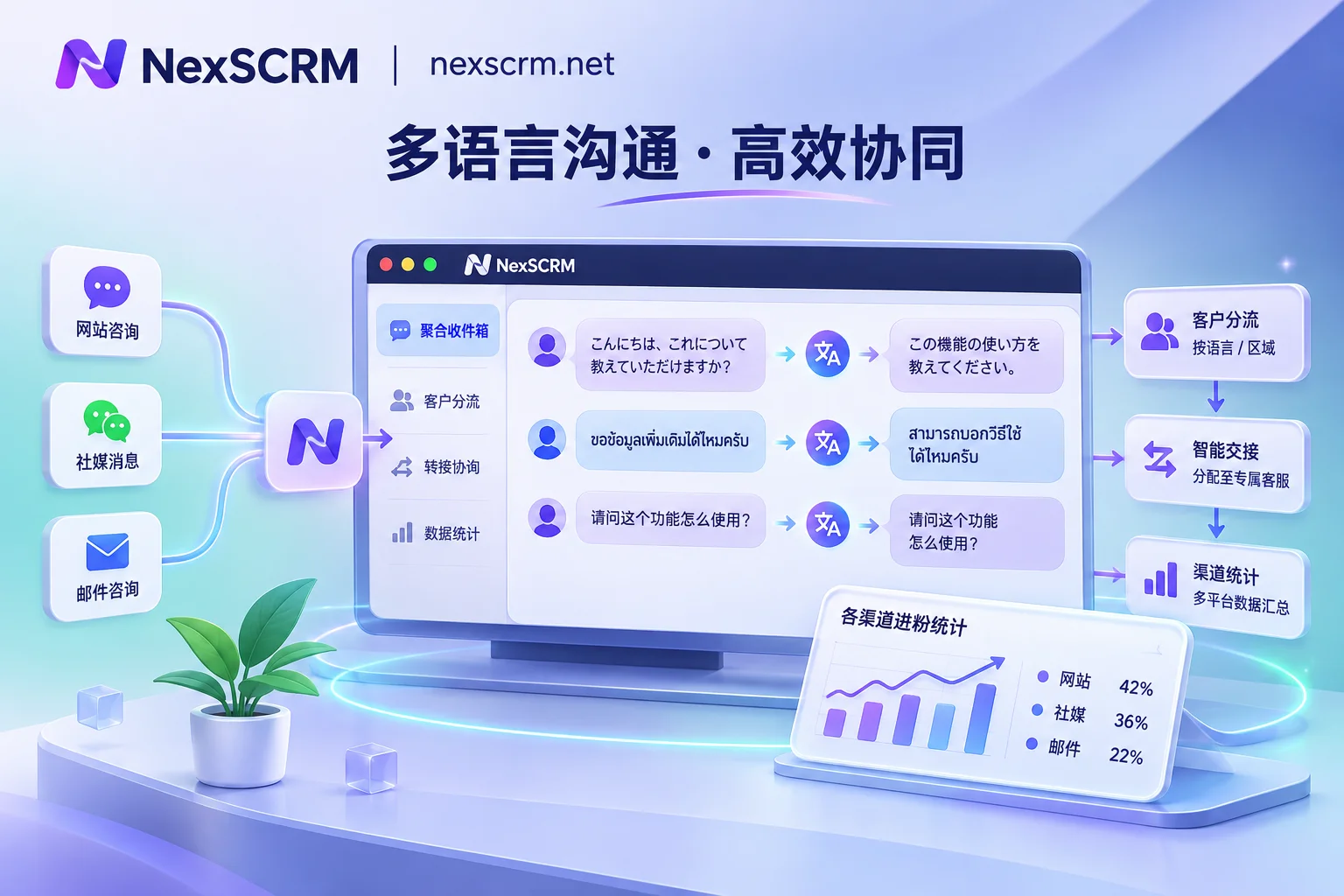
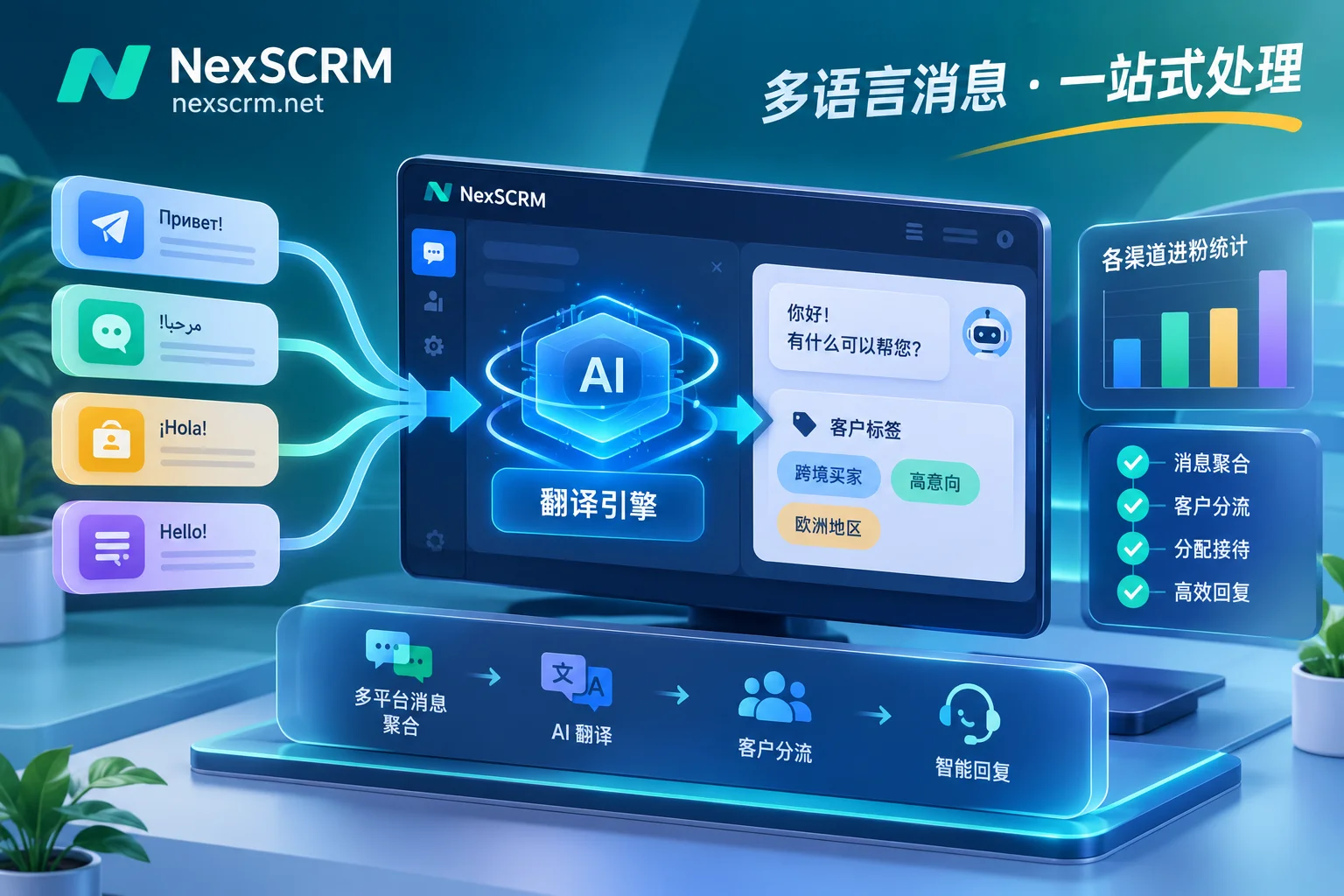
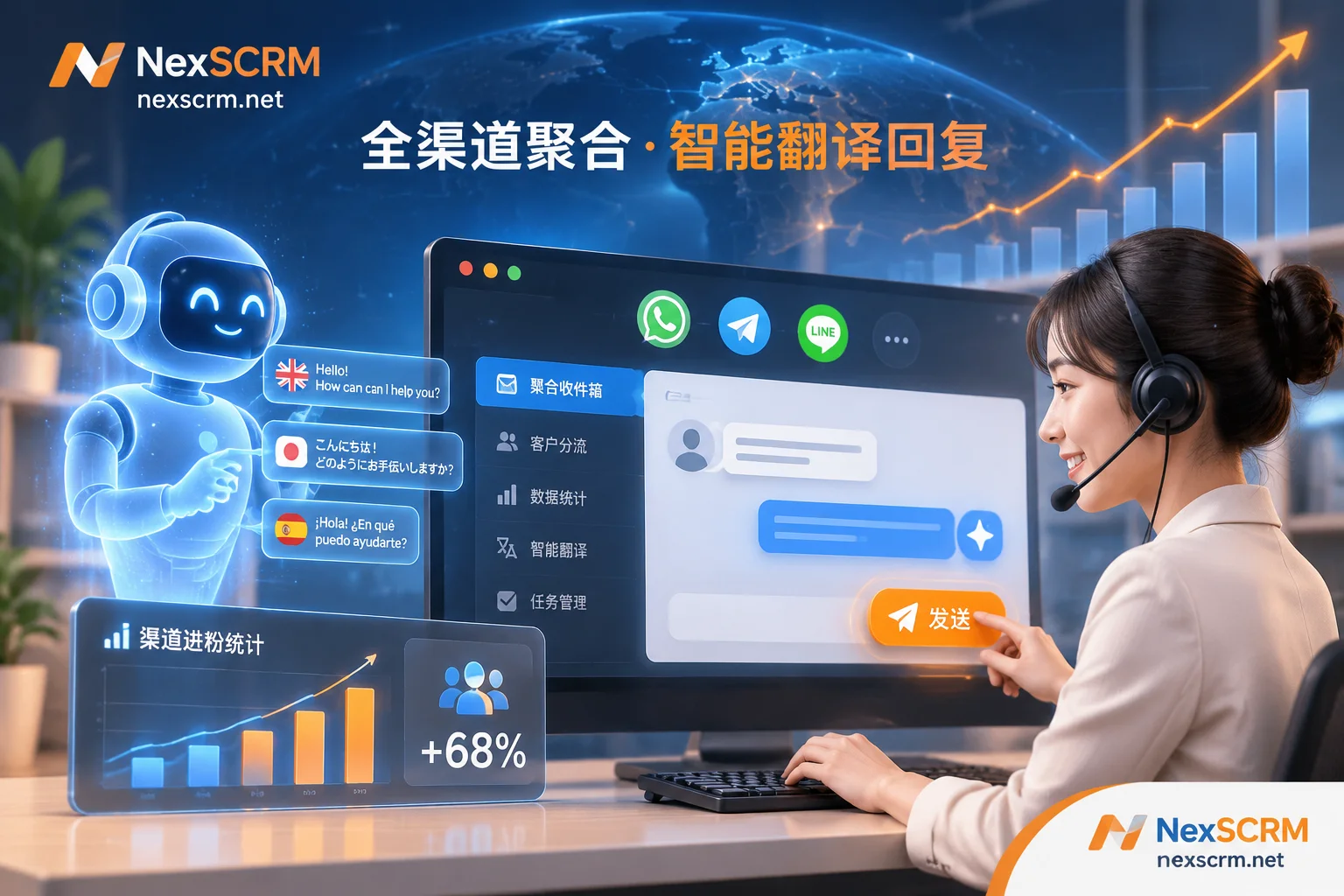
In 2026, cross-border expansion has entered a stock market game. Many teams blindly pursue 100% unattended AI customer service robots, only to fall into risk control pitfalls such as irrelevant answers, lost orders, and even account bans. This article breaks down the real pain points of cross-border private domain customer acquisition and shares how to deeply integrate AI customer service assistants with multilingual real-time translation, multi-account aggregation, and employee internal control through NexSCRM. By adopting a human-machine collaboration model of 'AI greeting fallback + manual confirmation before sending + script accumulation,' teams can stabilize inquiry conversion rates and customer assets.
How to Keep Multi-Account Customer Service from Spiraling Out of Control? A Practical Guide for Cross-Border Teams to Decouple People and Accounts, Pr
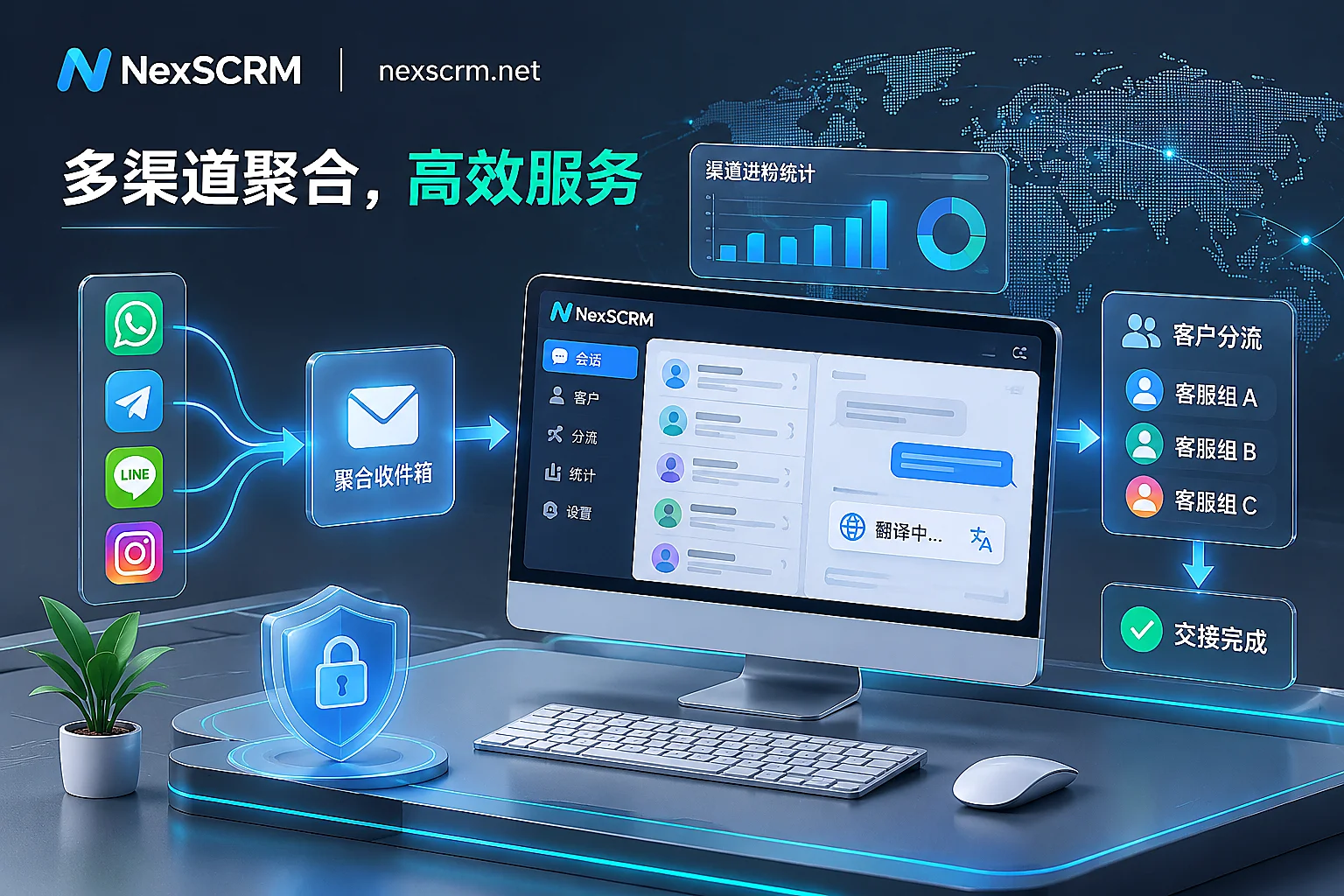
When a cross-border team's social media accounts exceed 10 and seats exceed 3, managing them with multiple phones or scattered web pages inevitably leads to missed replies, account collisions, and muddled performance records. This article breaks down the four major blind spots of multi-account customer service management from a management perspective, and shares how to build a replicable standardized customer service management system through master/sub-account collaboration, intelligent routing and deduplication, AI-assisted translation, and data internal control dashboards.
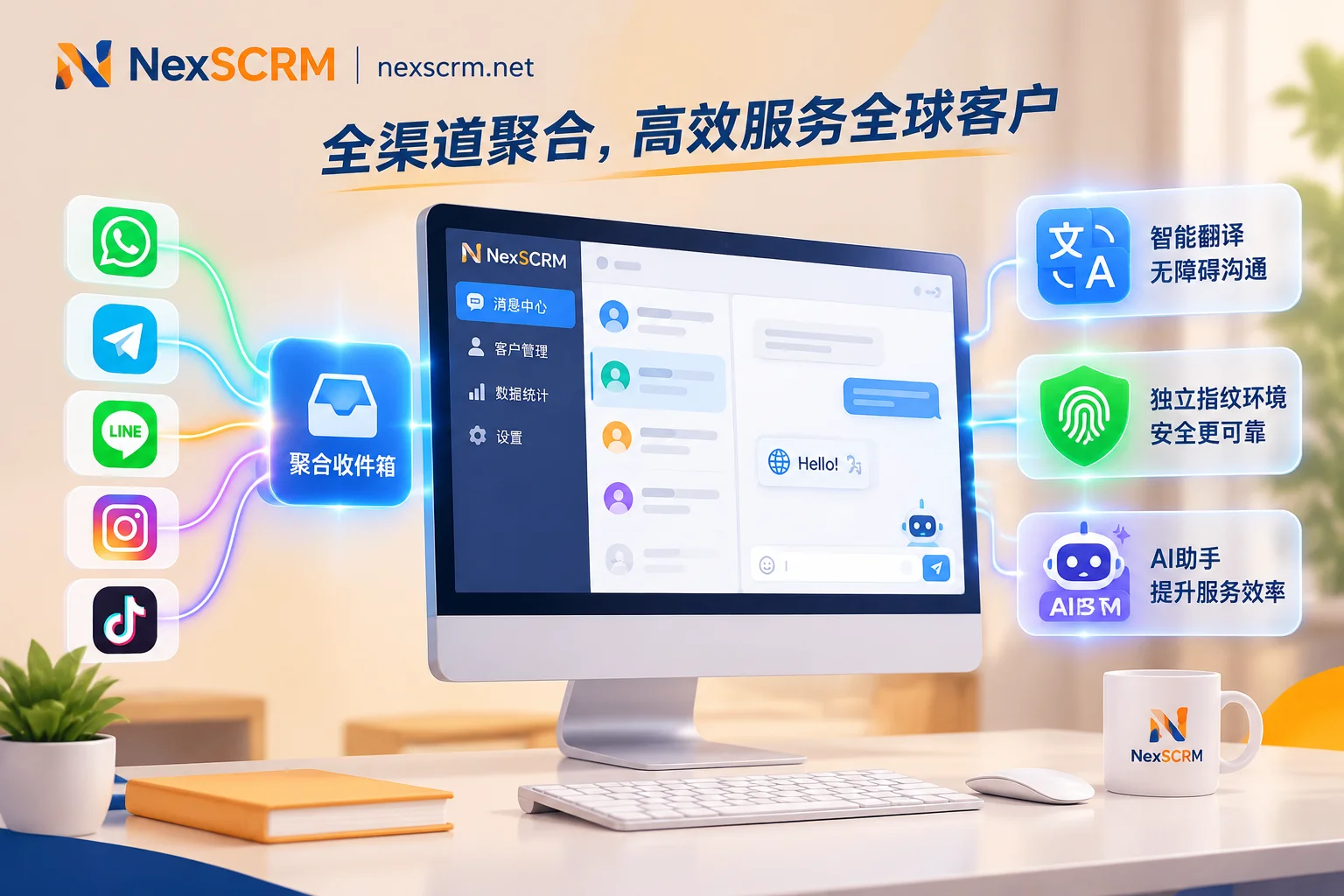
How to Choose a Social Media Aggregated Customer Service System? Avoid the 'Pseudo-Aggregation' Trap: 4 Practical Details Cross-Border Teams Must Chec
Many cross-border teams still face frequent disconnections and re-scans, mistranslations in cross-national communication, duplicate replies and missed messages, and customer loss when employees leave after adopting social media aggregated customer service systems. This article deeply analyzes the common blind spots of 'pseudo-aggregation' systems and provides a practical guide for selecting and validating cross-border social media aggregated customer service from four core dimensions: independent multi-account environments, built-in two-way translation, intelligent routing and collaboration, and enterprise internal control and backup.
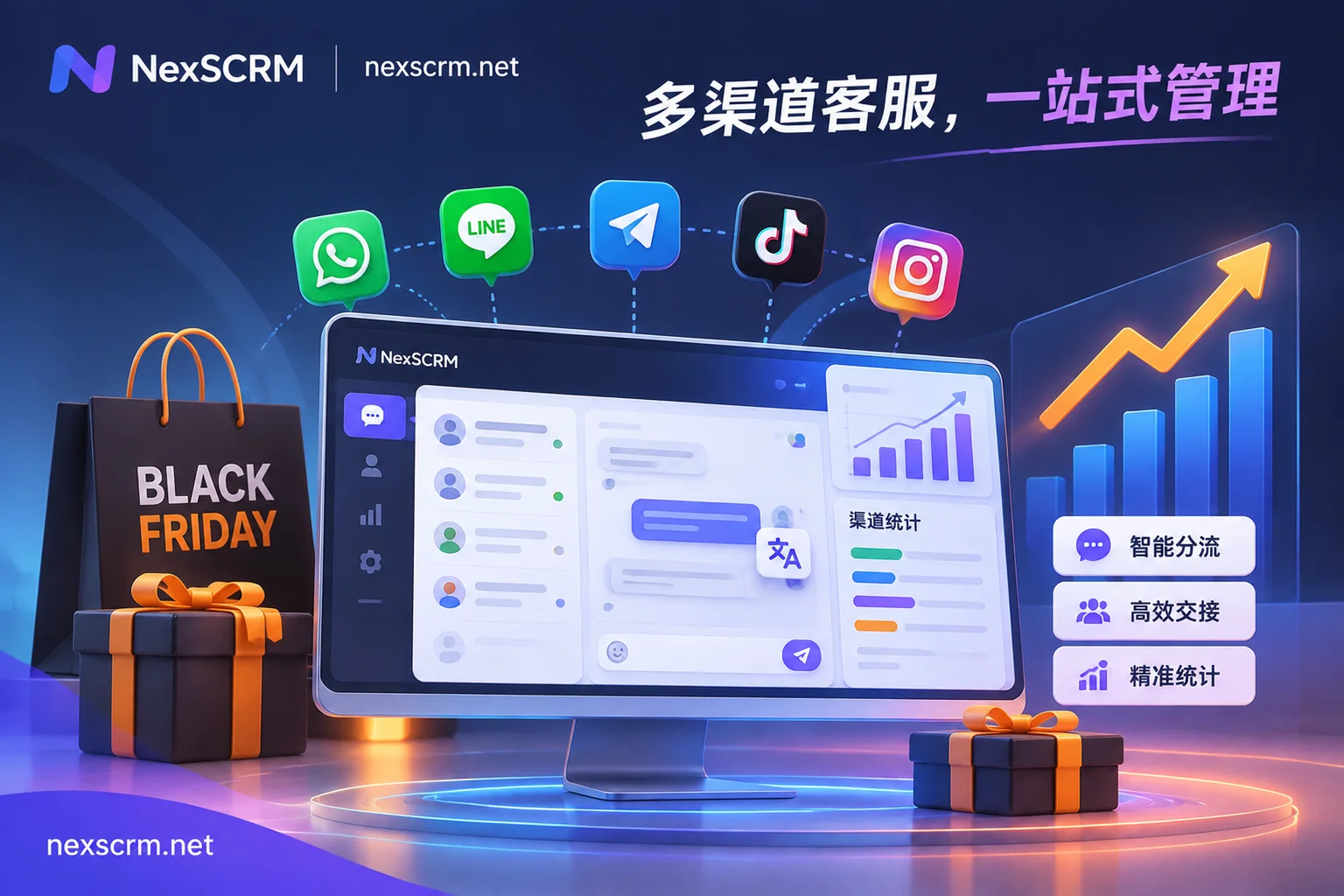
Black Friday Cyber Monday Traffic Surge: How to Build a Cross-Platform Private Domain Defense Line with Cross-Border Customer Service Software
The 2026 Black Friday Cyber Monday shopping season is extended, and cross-border sellers face challenges such as missed replies due to multiple account switching, inconsistent promotional messaging, time zone gaps, and unclear traffic attribution. This article explains how to use NexSCRM cross-border customer service software to build a closed loop for private domain reception and management during peak season through multi-account aggregation, public scripts and AI-assisted replies, diversion link counting, and data dashboards.
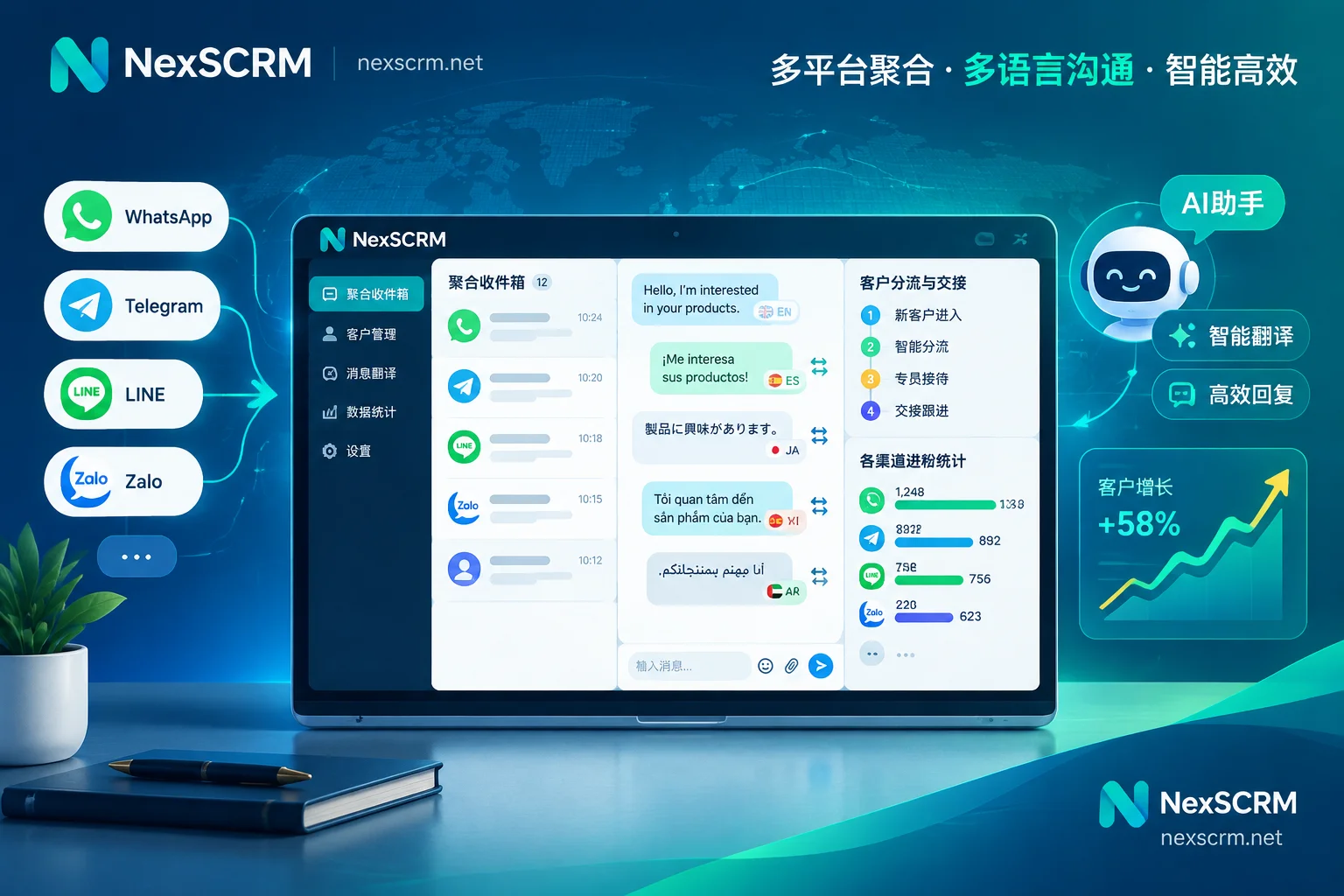
In-House Multilingual Hiring, Outsourced Support, or a Multilingual Customer Service System? Cross-Border Teams Must Calculate These Three Accounts Be
When expanding into non-English markets like Latin America, Southeast Asia, Japan, and Korea, cross-border teams often hesitate between hiring in-house multilingual agents, outsourcing overseas customer service, or deploying a multilingual customer service system. This article breaks down the real costs of the three options from four dimensions: labor cost, multi-platform private chat handling, human-machine collaboration boundaries, and data asset retention, and explores how Chinese teams can directly serve global buyers with a cross-language social SCRM desktop workstation.